

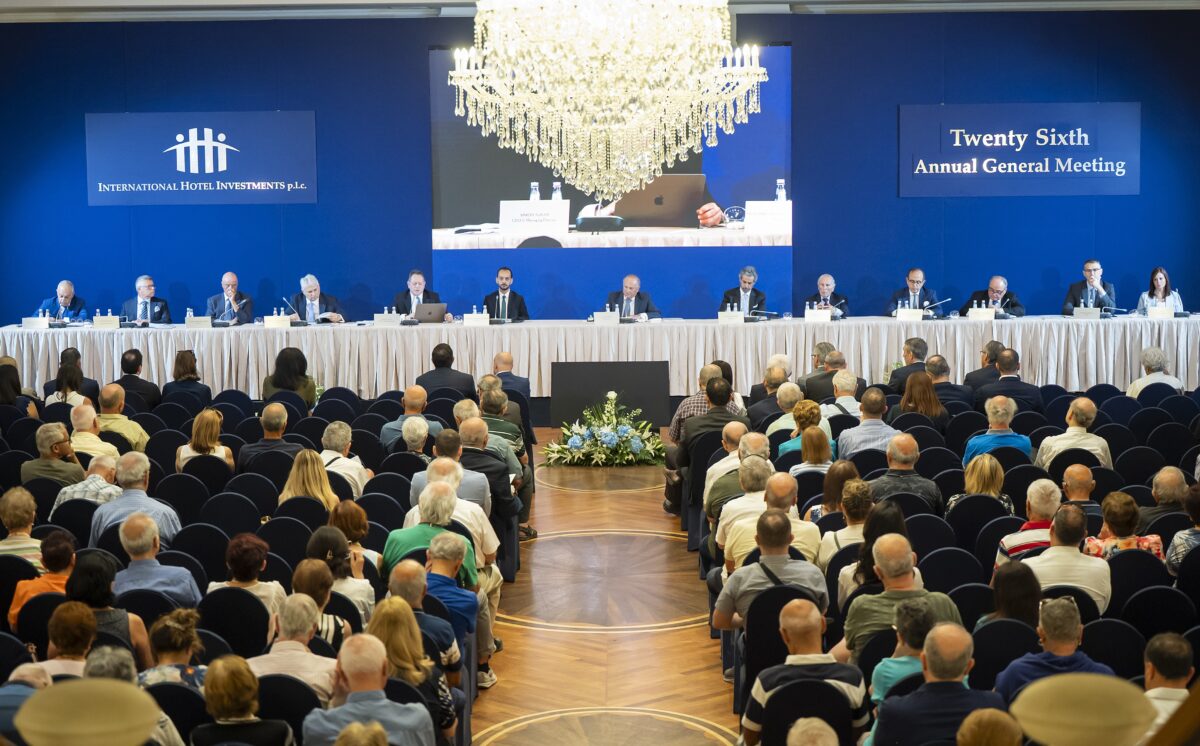
International Hotel Investments plc (IHI), the publicly traded company owning the Corinthia Brand and real estate assets, has expanded on a strategy aimed at realising value from its extensive owned hotel portfolio while accelerating the growth of its management, development and project services businesses.
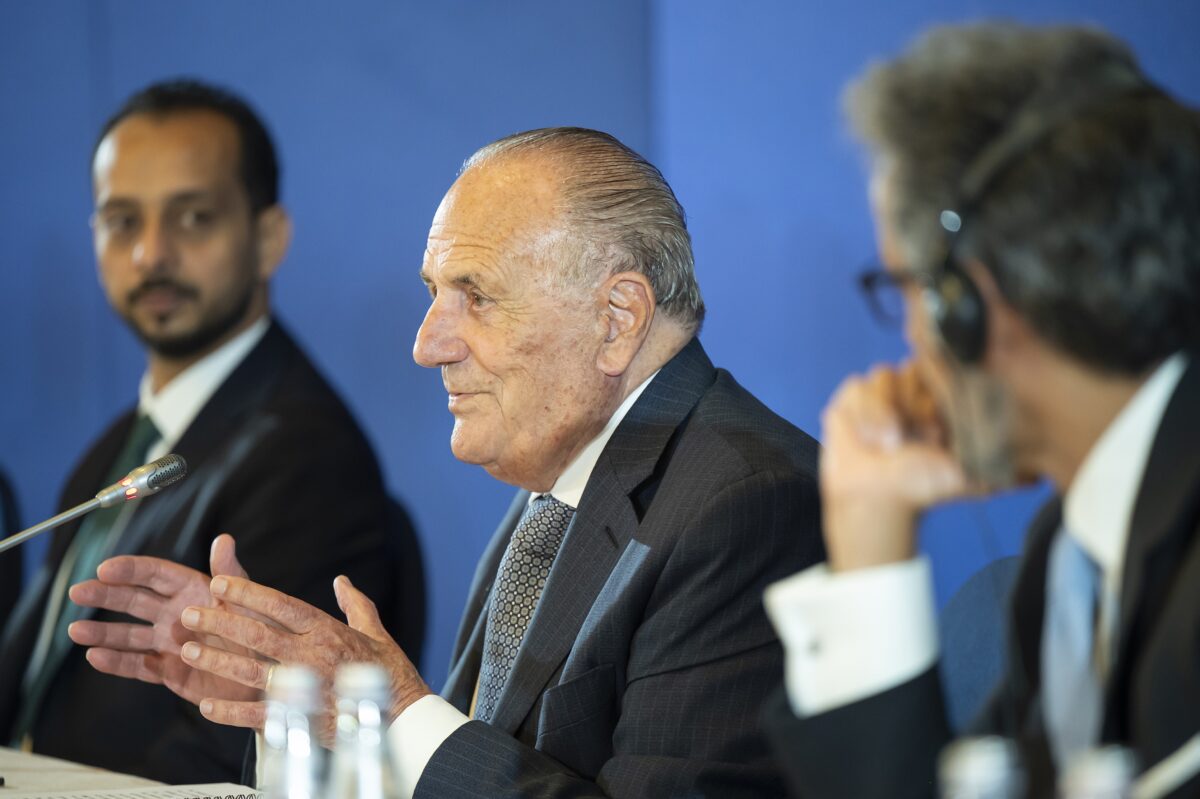
Addressing shareholders at the company’s Annual General Meeting, Chairman Alfred Pisani said the Board’s priority is to maximise valuations for its owned properties, and in some cases realise such valuations through asset sales, while simultaneously expanding IHI’s three service companies on a global scale.
The strategy positions IHI for its next phase of growth while supporting sustainable shareholder returns.
IHI owns or part owns 14 hotel assets, including six in Malta, but is involved in 32 hotel and residential properties worldwide as an operator or developer via its service companies Corinthia Hotels and Corinthia real Estate Ventures. A third service company, named QP, offers architectural and interior design services to developers worldwide.
“Our foremost and major objective is that, as CHL, CREV and QP expand and deliver stronger profits, we will in turn progressively dispose some of our mature real estate holdings, which will allow us to realise the substantial, often understated, value gain generated over the many years,” Mr Pisani said.
IHI recently completed the sale of a 72% stake in the Corinthia Hotel Lisbon while retaining a 28% ownership interest and continuing to manage the property under the Corinthia brand. Much of the proceeds were used to reduce debt and strengthen the Group’s cash position.
The AGM was also informed that shareholders recently received an interim dividend of €0.03 per share, representing a total distribution of approximately €18.5 million.
Mr Pisani noted that IHI currently owns 14 hotels and other assets including its service companies with a combined net asset value of approximately €1 billion after debt. The Group’s 2025 accounts reported a net asset value of €1.52 per share, which he described as conservative given the prudent valuations applied across the portfolio.
Pointing to the Lisbon transaction as an example, the Chairman noted that the hotel had been carried in the Group’s books at €118 million but was ultimately sold for €150 million, illustrating the underlying value within the portfolio, and still operates under the Corinthia brand.
He said the Board expects a similar outcome when it proceeds with the planned sale of the Prague hotel, which is currently being prepared for market and could be sold by late this year or early next year.
IHI Group CEO and Managing Director Simon Naudi explained how IHI is focusing on business plans for each of its owned assets through asset sales or redevelopments. Moreover, the group’s service businesses are expected to become increasingly important drivers of future profitability.
The Group’s operating model is built around four pillars: owned hotels and real estate, hotel management through Corinthia Hotels Limited (CHL), real estate development through C-Rev, and design and project management services through QP.
Mr Naudi highlighted the continued growth of CHL, which now has 32 hotels under contract worldwide across owned, leased, co-invested and managed properties spanning Europe, the Middle East, Asia and the Americas.
He said CHL is on a transformational growth trajectory, with revenues projected to rise from €26 million in 2026 to €62 million by 2031 and EBITDA expected to reach €39 million as a growing pipeline of third-party managed hotels comes on stream.
New developments in destinations including Dubai, Riyadh, the Maldives, Lake Como, Tuscany, Puglia and Turks & Caicos are expected to contribute significantly to this expansion.
The presentation also highlighted the expansion of QP, which operates from Malta, London and Dubai, serving both Group and third-party projects, while C-Rev continues to advance developments in Beverly Hills, Turks & Caicos and Mexico.
Mr Naudi noted that, following a significant investment phase during which the Group expanded its international footprint and strengthened its management platforms, the focus is now shifting towards scaling profitability and cash generation. Revenue is forecast to increase significantly from €335 million in 2025 as a pipeline of new hotels, both part owned and others managed for third parties, come on stream.
The AGM was also informed shareholders that IHI recently secured final development approval for its Hal-Ferħ project in Malta, comprising a 162-room luxury hotel and 25 villas. Describing the approval as a landmark achievement following several years of planning and negotiations, Mr Pisani noted that the wholly owned site has now increased substantially in value.
The Chairman reiterated the Board’s commitment to growing the Group’s operating businesses, realising value from mature assets, reducing debt and strengthening shareholder returns.
“We are driving operational efficiency and growth across our businesses while realising value from mature assets. Together, these initiatives will strengthen the Group, support sustainable dividends and position us for the next phase of growth,” he said.
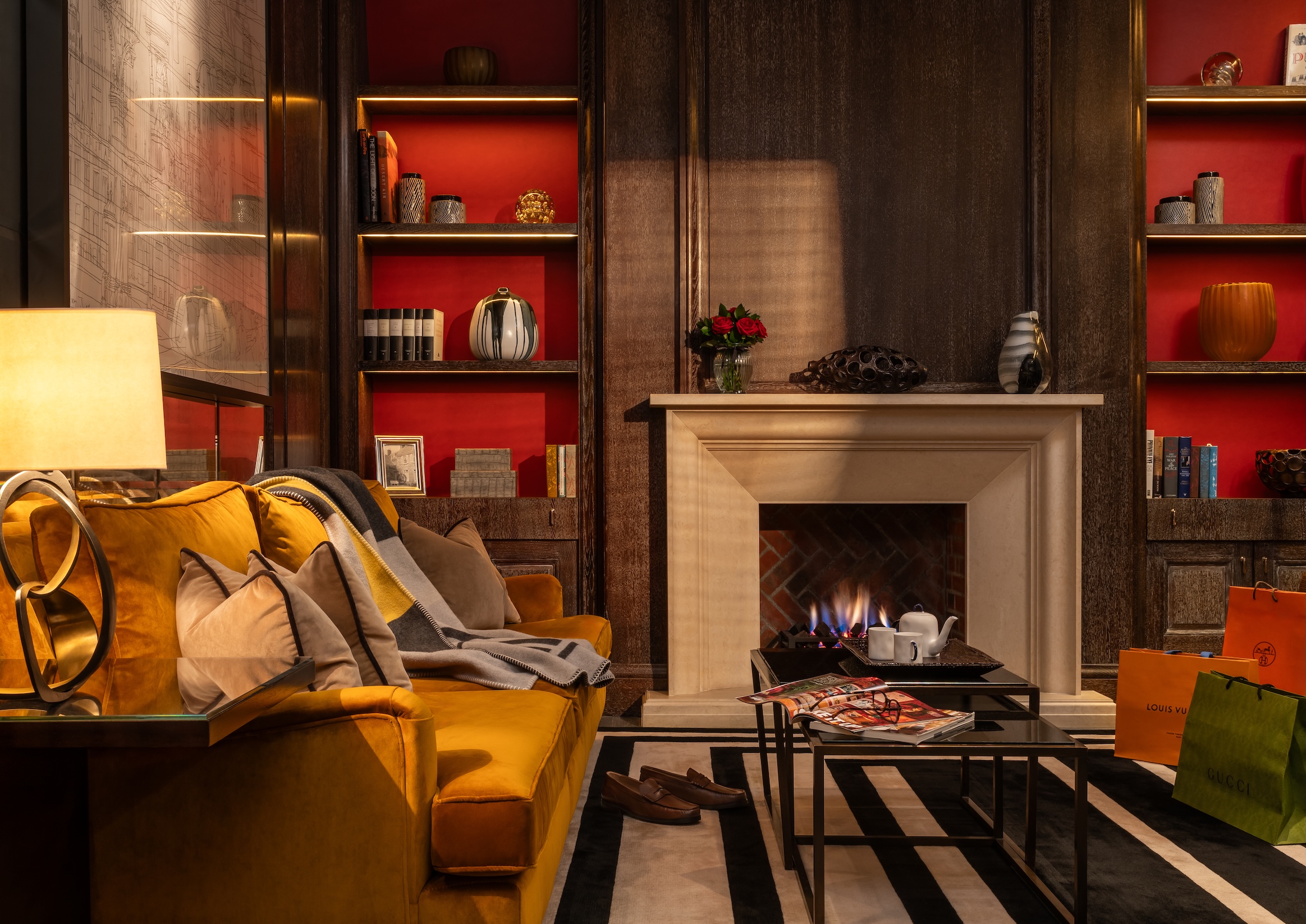
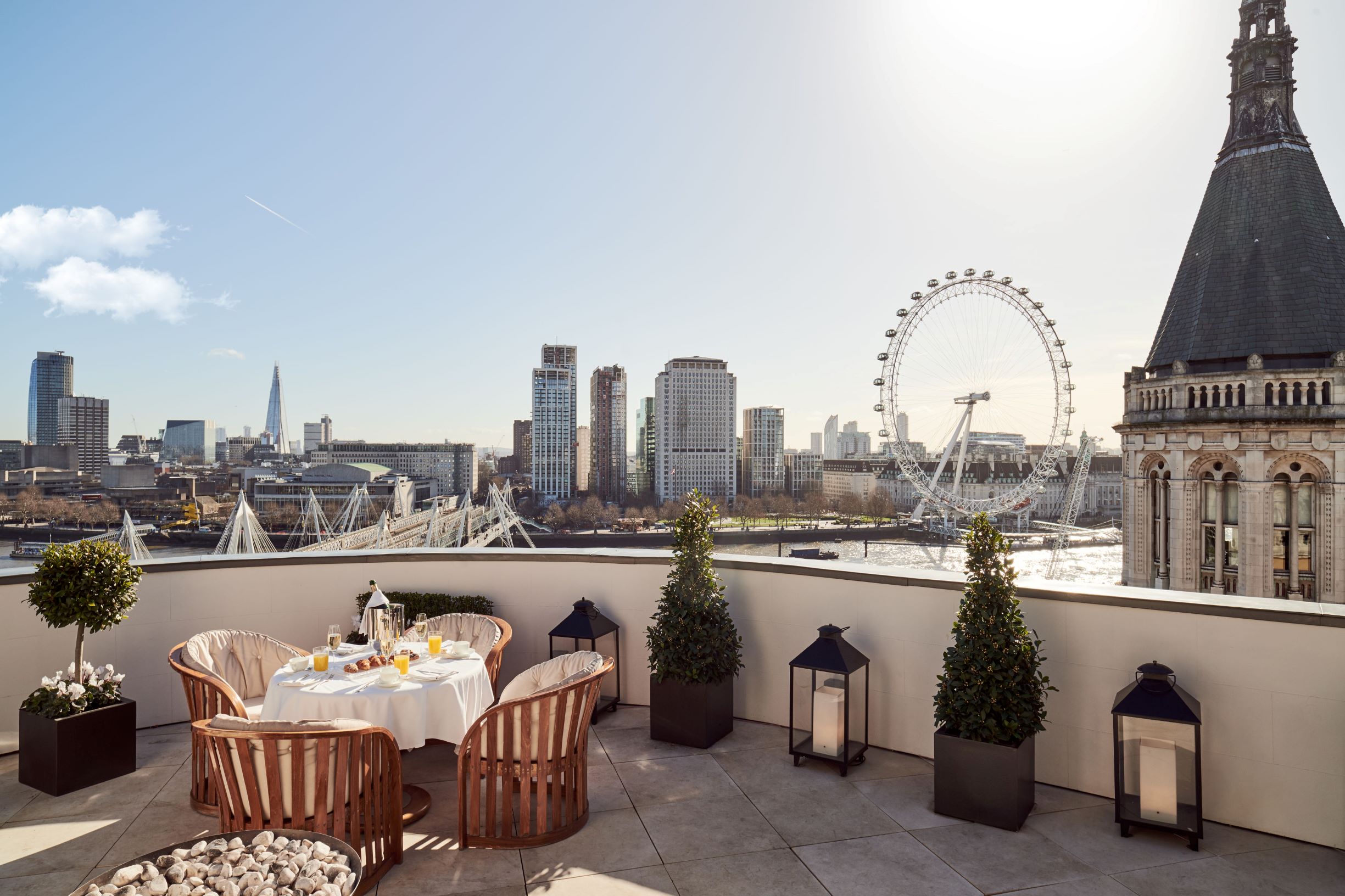
Corinthia London has been named among the winners of the Condé Nast Traveler Triple Crown, a newly launched accolade that celebrates what the publication describes as “the most authoritative collection of the world’s greatest hotels”.
The Triple Crown is reserved for a select group of hotels that have, at some point over the past 30 years, earned recognition across all three of Condé Nast Traveler’s most prestigious awards programmes: the Hot List, the Gold List and the Readers’ Choice Awards.
The distinction places Corinthia London among an elite collection of hotels that have achieved excellence across in various fields of hospitality.
The Hot List celebrates the world’s best new hotel openings, the Gold List reflects the publication’s editors’ favourite hotels worldwide, while the Readers’ Choice Awards are determined by travellers themselves and are widely regarded as among the most trusted and influential accolades in the industry.
By bringing together these three honours, the Triple Crown recognises hotels that have demonstrated not only exceptional standards at launch, but also sustained excellence and enduring guest appreciation over time.
Charlotte Weatherall, General Manager of Corinthia London, said: “This award is a proud moment for our entire team and a meaningful reflection of the exceptional experiences, service and sense of place that continue to define Corinthia London. The Triple Crown is a tribute to the passion and dedication of our colleagues and the loyalty of our guests.”
Built on Condé Nast Traveler’s 40 years of authority and trust in travel, the Triple Crown was created to recognise hotels that have earned the respect of industry experts, editors and discerning travellers alike – recognising properties that have consistently delivered outstanding experiences and maintained the highest standards over many years.
For the much-loved Corinthia London, the award represents another milestone and reinforces its position among the world’s leading luxury hotels, recognised not only for excellence in hospitality but also for its enduring appeal to guests from around the globe
Corinthia Chairman Alfred Pisani outlined a strategy for International Hotel Investments (IHI) centered on regular dividends, improved efficiency and the selective disposal of mature hotel assets to support sustained shareholder returns.
Addressing stockbrokers at Corinthia Palace Hotel following the publication of IHI’s financial results, the Chairman said the Group will increasingly focus on profitability and look to offload mature properties and realise their capital appreciation while redeploying funds into higher-return opportunities in support of growth and a consistent dividend policy.
A central element of the model is the expansion of third-party management agreements generating recurring income without the burden of financing development costs and depreciation and strengthening overall margins through improved efficiency.
He added that growth in the Group’s service companies – Corinthia Hotels CHL, QP-EQ and C-REV is expected to more than offset the impact of asset disposals.
The Chairman’s remarks come as IHI reported a sharp rise in profits for 2025. Revenue increased by 9.3% to €335.3 million, while net profit attributable to shareholders reached €20.8 million, up from just over €4 million the previous year. Total assets now exceed €1.9 billion, with net asset value per share climbing to €1.52.
The Board has recommended an interim dividend of 3c per share, reflecting both performance and confidence in the Group’s outlook.
Simon Naudi, CEO of IHI, said the transition towards a more asset-light model is already visible in recent activity.
He pointed to the sale of a 72% stake in the Corinthia Hotel Lisbon, based on a €150 million valuation, with IHI retaining a minority share and continuing to manage the property, a model it is now looking to replicate with other mature assets, including Prague.
“We are growing on all fronts – as investors, developers and operators – but with a clearer focus on efficiency and capital discipline” .
The Group’s expansion continues across key markets, with new openings in New York, Brussels, Bucharest and Rome, and a growing pipeline spanning Europe, the Middle East and Asia. The Group is also seeking third party capital for new projects being led by C-REV in new locations such as Beverley Hills, the Caribbean and Mexico.
IHI is now involved in more than 30 hotels under ownership or operating on behalf of third parties.
The Chairman said the focus now is on building a leaner, more agile organisation capable of delivering consistent returns, supported by a stronger earnings base and regular dividend distributions.
Corinthia Group Companies CPHCL Company Limited (CPHCL) and International Hotel Investments p.l.c. (IHI) have reached an agreement to acquire the remaining shares in Mediterranean Investments Holding plc (MIH), bringing the company fully under their ownership.
The shares are being acquired from Kuwaiti National Investment Holding Ltd, a longstanding shareholder in MIH since its establishment in 2005.
Upon completion, IHI will hold a 25% shareholding in MIH, while CPHCL will increase its stake from 50% to 75%, giving the two related companies full ownership of the business.
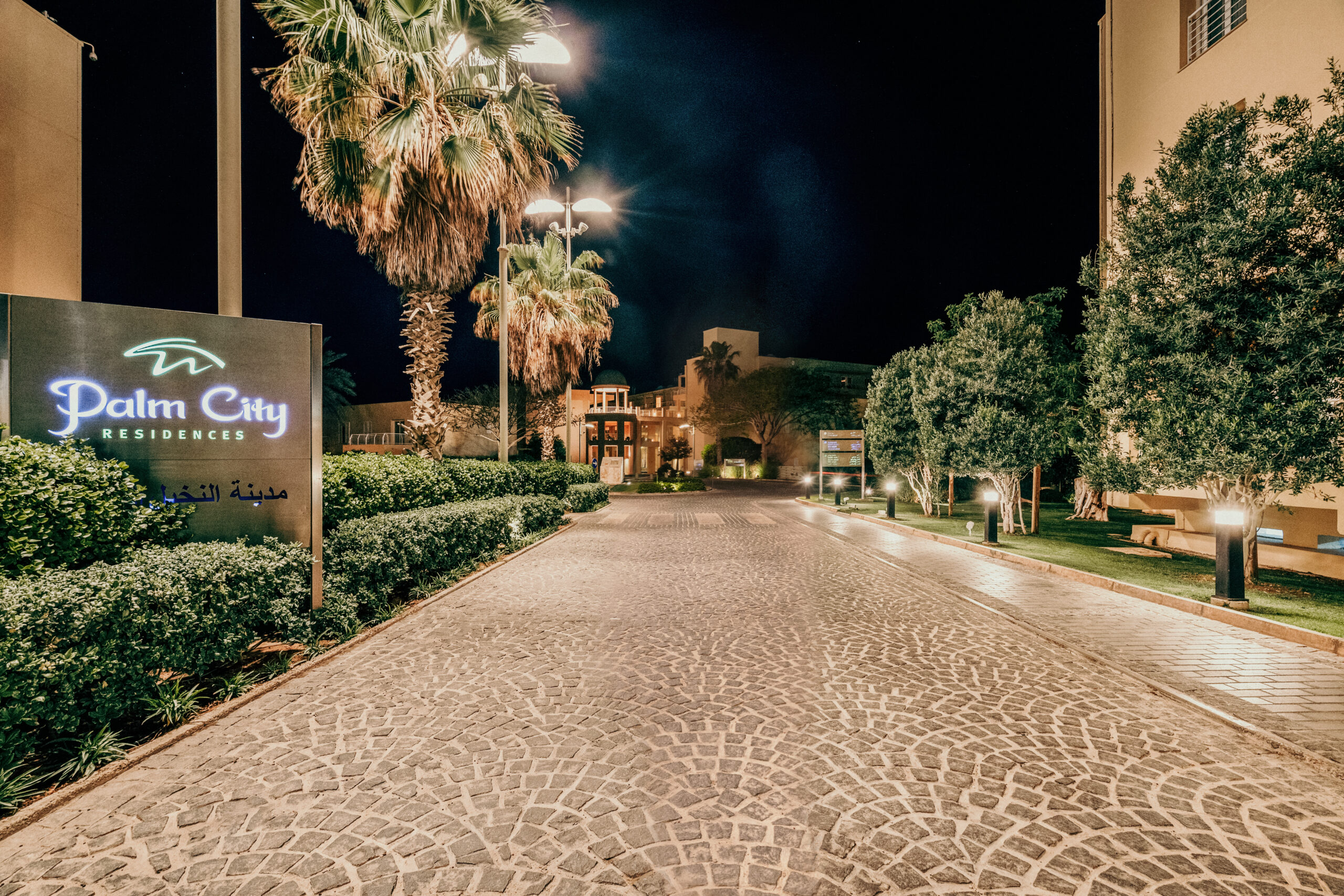
MIH is a Malta-registered listed company and the owner of Palm City Residences in Janzour, Libya. The company also holds additional real estate investments in Libya, with further development opportunities under consideration.
Alfred Pisani, Group Chairman, said: “This acquisition strengthens Corinthia’s position in a company we know well and reflects our continued confidence in MIH, its assets, its people and its long-term prospects.
“The acquisition is also aligned with our broader strategy of building value through diversified investments.”
Valued at €74 million, the transaction remains subject to completion in accordance with the agreed contractual terms.
Palm City Residences in Janzour, near Tripoli, is a well-established, oceanfront, 170,000m2 gated residential complex comprising of 413 units, including bungalows, villas, houses and apartments. Designed to offer a secure and self-contained living environment, the complex provides a range of on-site amenities and services, and has become a preferred address for international companies, diplomats and long-term residents operating in Libya.
This development reinforces the Group’s long-term investment approach and its continued focus on building value across a diversified international portfolio.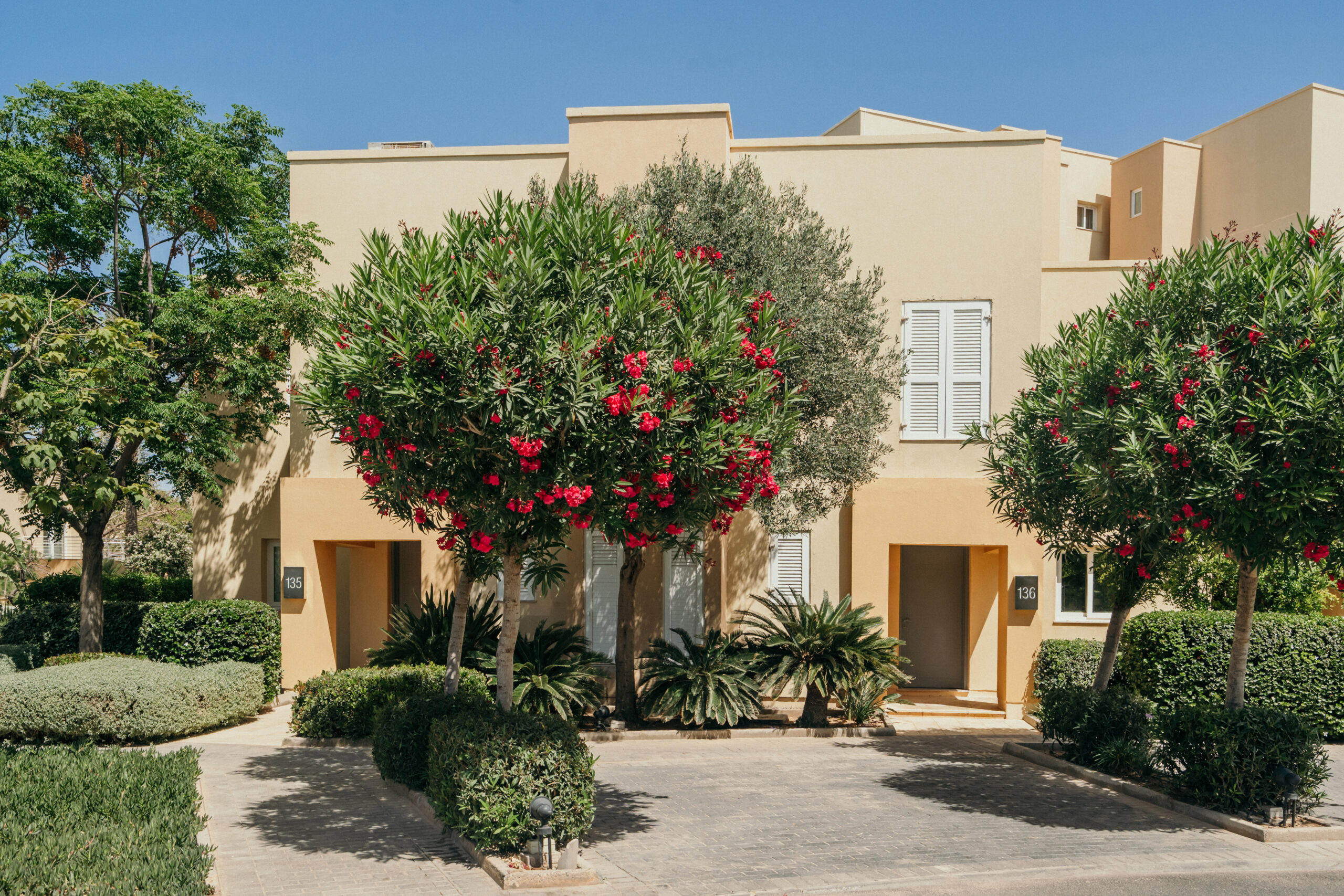
Villa Corinthia came alive last Sunday with the sound of music as the inaugural concert in Corinthia Palace’s year-long Palace Concerts series opened in striking fashion.
An ensemble of accomplished musicians and singers led the audience on a deeply emotional journey that befitted the Easter season. Set within the Villa’s elegant surroundings, the programme offered beautiful renditions of the most beloved choral and instrumental works ever written as the evening moved gently from introspection to beauty and celebration.
The concert unfolded in two distinct parts: the first reflecting on human fragility, compassion and sorrow; the second opening into light, gratitude and joy. Across an uplifting 80-minute programme, featuring works by Jenkins, Mozart, Bach, Elgar and Fauré, the performance balanced emotional depth with joyous expression.
Guests were then welcomed to a reception of refined small plates prepared by chef Francesco Mazzei, accompanied by wine and prosecco.
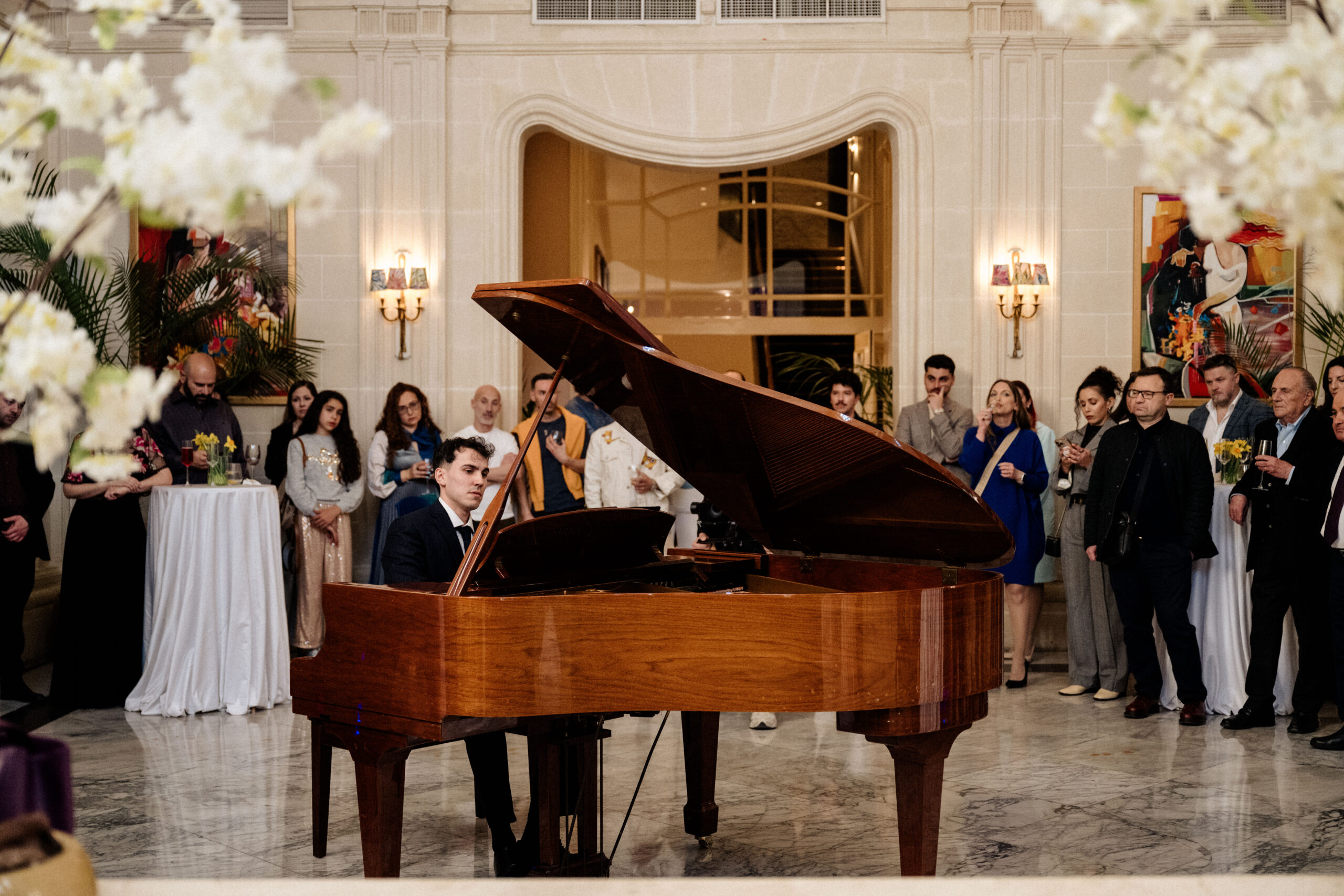
The opening performance followed the formal launch of the Palace Concerts series, held last week at Villa Corinthia, where invited guests were treated to an intimate preview through a series of live musical excerpts. The event brought together leading Maltese musicians alongside emerging talent, offering a clear sense of the programme’s direction.
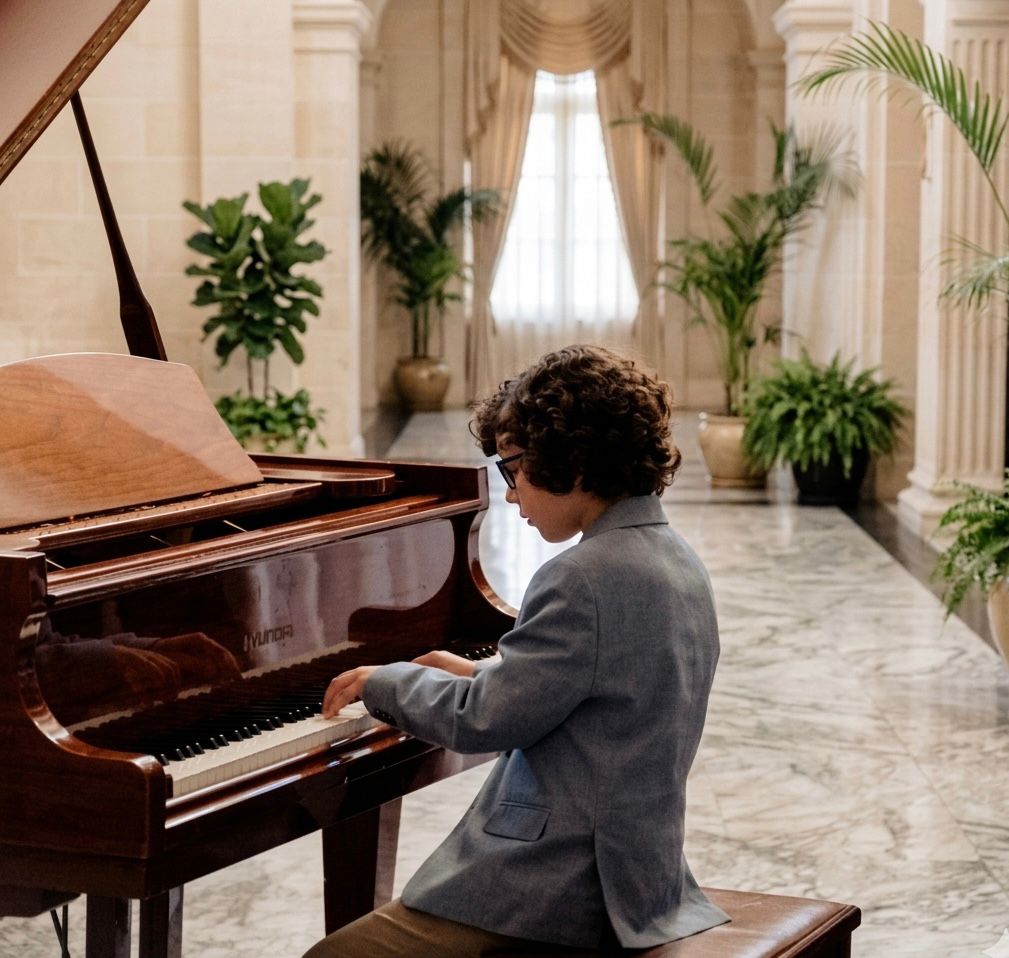
Set within the elegant interiors of the Villa, the launch brought together leading Maltese musicians and emerging talent, offering a glimpse of what audiences can expect from the year-long initiative. Among the standout moments was a performance by 10-year-old pianist Gabrijel Cassar-Cordina, whose poise and musicality drew particular attention and underlined the programme’s commitment to nurturing young talent alongside established artists like Gillian Zammit, Cliff Zammit Stevens and Matthew Fenech.
Guests also got to sample a selection of delightful bites and dishes by the Francesco Mazzei kitchen, which will feature throughout the concert series events.
Speaking at the launch, Alexandra Pisani, General Manager at Corinthia Palace, described the initiative as an expression of something long felt within Corinthia Palace, saying there is natural affinity with art, music and culture — something that has always lived quietly within the hotel’s atmosphere — and said the programme simply gives it form.
She emphasised that art is not an addition to hospitality, but an essential part of it: something ever-present, evolving and reflective of identity.
Through Palace Concerts, she said, the hotel becomes a vessel for that expression, where sound and creativity gently inhabit the space, shaping how it is experienced. At its most meaningful, hospitality should go beyond offering a room or service, she added — it should touch something internal, creating a sense of connection, emotion and resonance.
Corinthia director Alfred Camilleri, a classical music buff who painstakingly put together the concert programme, said the initiative is the first privately funded, year-long music series of its kind in Malta.
Bringing together 91 artists, the concert series is designed to be both distinctive and accessible, with each concert offering a unique interpretation of “beautiful, elegant music.” He highlighted the importance of providing a platform not only for recognised performers but also for emerging talent.
The programme will span a wide range of performances throughout the year, including chamber music, solo recitals and themed concerts. Highlights include a six-cello performance ahead of Mother’s Day in May, guitar classics in June, a piano recital by Francis Camilleri in July, and a series of summer concerts set in the hotel’s gardens. Later performances will feature works by Beethoven and Mozart, a clarinet concerto, and a Christmas concert inspired by the Corinthia Chairman’s wife, Maria Pisani.
Most concerts will be held within Villa Corinthia, with select events moving outdoors during the summer months. Across all settings, the emphasis remains on creating an atmosphere where music enhances the experience of the space.
As well as being a luxury hotel, Corinthia Palace is being transformed into a venue where music, culture and hospitality intersect. Indeed, a home for beautiful music.
For more information, click on: https://www.corinthia.com/en-gb/palace/palace-concerts/
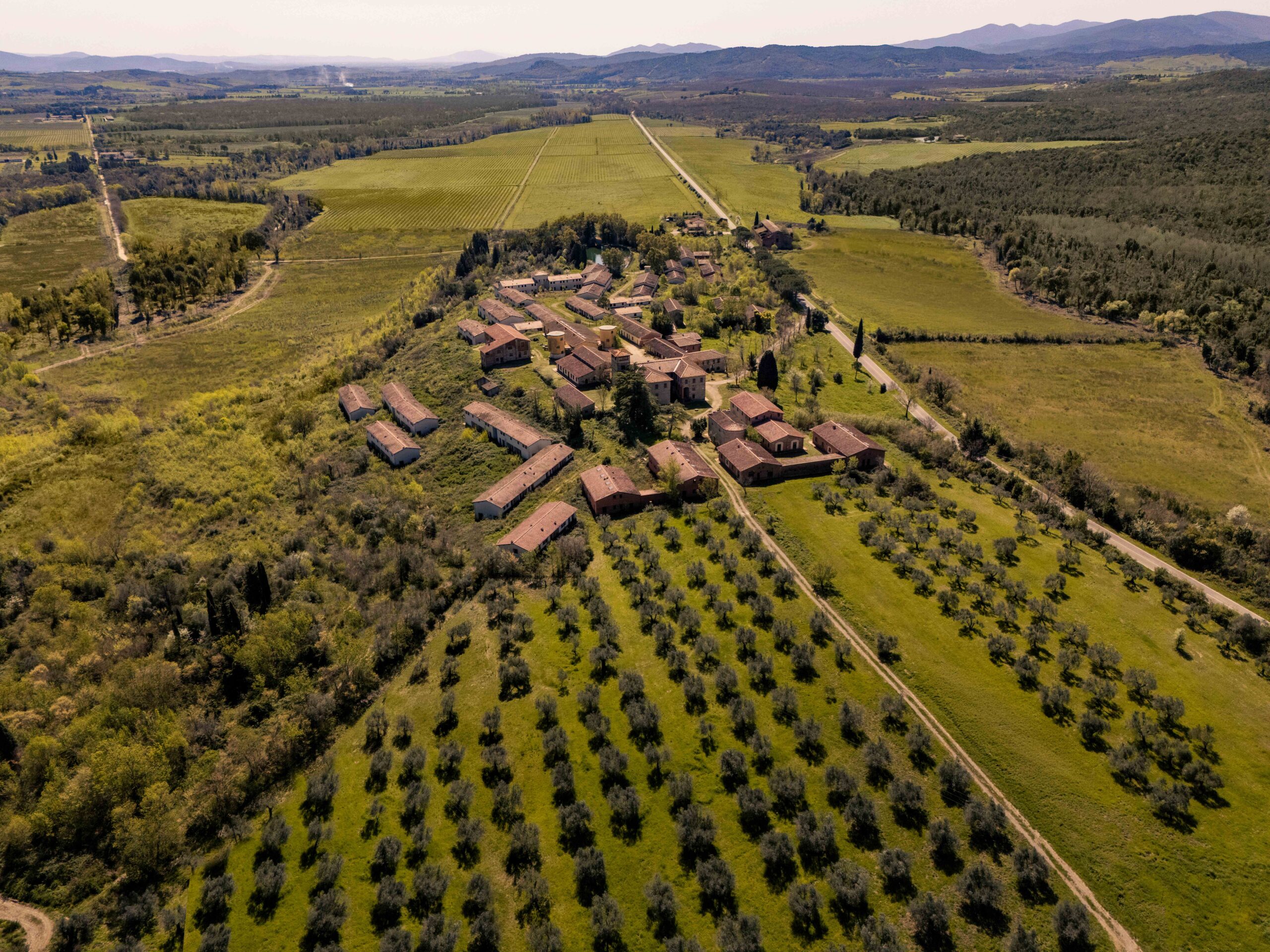
Corinthia Hotels is deepening its presence in Italy with Borgo di Perolla, a new luxury resort in Tuscany that brings together heritage, landscape and contemporary elegance.
Designed by Milan-based alErta studio, Borgo di Perolla will transform a collection of historic buildings into a refined retreat, taking shape as a village centred around a lively piazza, with 80 keys including suites and private villas.
A farm-to-table philosophy will guide the culinary offering, drawing from the estate’s own produce – olive oil, wine and honey – and from the rhythms of the surrounding region, reflecting the Tuscan tradition of il dolce far niente, the quiet pleasure of simply being and savouring unhurried moments.
Rolling hills extend towards the medieval town of Massa Marittima, while the coast, the beaches of Castiglione della Pescaia and Punta Ala, and the region’s renowned thermal springs remain within easy reach, balancing seclusion with access.
Scheduled to open in 2030, the development is being realised in partnership with entrepreneur Gaetano Buglisi and the BGenera Group, with advisory support from Fortvny and Harry Mills Sciò.
Simon Naudi, Group CEO of Corinthia Group, said: “We are delighted to partner with Gaetano Buglisi on a new project that so clearly aligns with our values. As our third property in Italy, Borgo di Perolla, Tuscany marks an important step in strengthening Corinthia’s presence in this wonderful market. It will be a destination shaped by its environment, its community and its heritage – brought to life through a shared vision of sustainable luxury and meaningful guest experiences.”
At its heart lies the 13th-century Perolla Estate, a 1,300-hectare landscape of woodland, olive groves and vineyards, where historic structures will be carefully restored and reimagined.
Wellness, celebration and community will form part of the experience, with dedicated spaces including a restored chapel for weddings and private events, alongside a branded residential component that extends the destination beyond the traditional hotel stay.
Borgo di Perolla becomes Corinthia’s third property in Italy, following the opening of the landmark Corinthia Rome and ahead of Corinthia Lake Como, set to launch in 2028, reinforcing the Group’s continued investment in distinctive, experience-led destinations.
Rome, March 2026 – On the historic Piazza del Parlamento, Corinthia Rome, located on the historic Piazza del Parlamento, opens the doors of a grand neoclassical palazzo, marking the Italian debut for Corinthia Hotels.
The brand’s commitment to modern heritage is expressed through the restoration of the former seat of the Bank of Italy. Carefully reimagined as a hotel, the project preserves the architectural integrity, from its monumental structure to its original 1920s frescoes.
The 9,700 square-metre, 60-key hotel marks the first Roman address for Italy’s famed chef Carlo Cracco, and includes panoramic penthouses and a subterranean spa inspired by ancient bathing rituals, set within the building’s original vault.
Located in the neighbourhood of Campo Marzio, moments from the Pantheon, Roman Forum and Spanish Steps the property is owned by Reuben Brothers and is their second hotel to be operated by Corinthia Hotels. Designed by Pio and Marcello Piacentini, the property was constructed between 1913 and 1921.
The restoration that gave rise to Corinthia Rome was envisioned not simply as a renovation but as a considered revival of the building’s architectural and cultural legacy. Led by hospitality design studio GA, the structure has returned to its original proportions, stripped of later interventions and reinterpreted through rigorous historical and philological research, revealing mosaics, stuccoes, cornices, painted ceilings and marble detailing.
The symbolic heart of this rebirth is the former Council Chamber overlooking Palazzo Montecitorio, now transformed into the Theodoli Heritage Suite. A space of remarkable narrative presence, it preserves the original 1920s frescoes by Giulio Bargellini and a ceiling by Guglielmo Janni – an allegorical map tracing the history of Italian currency.
Where pivotal financial decisions were once made, guests now rest beneath a painted cycle of civic virtues, symbolic processions and images of national prosperity. Now, as Corinthia Rome, that original
language is reinterpreted: a former seat of power reopens to the city as a place where value is measured not in reserves, but in beauty, time and human connection.
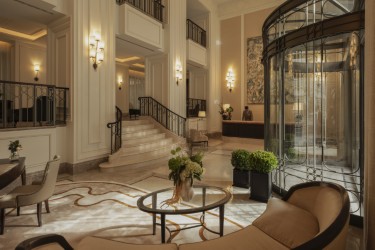
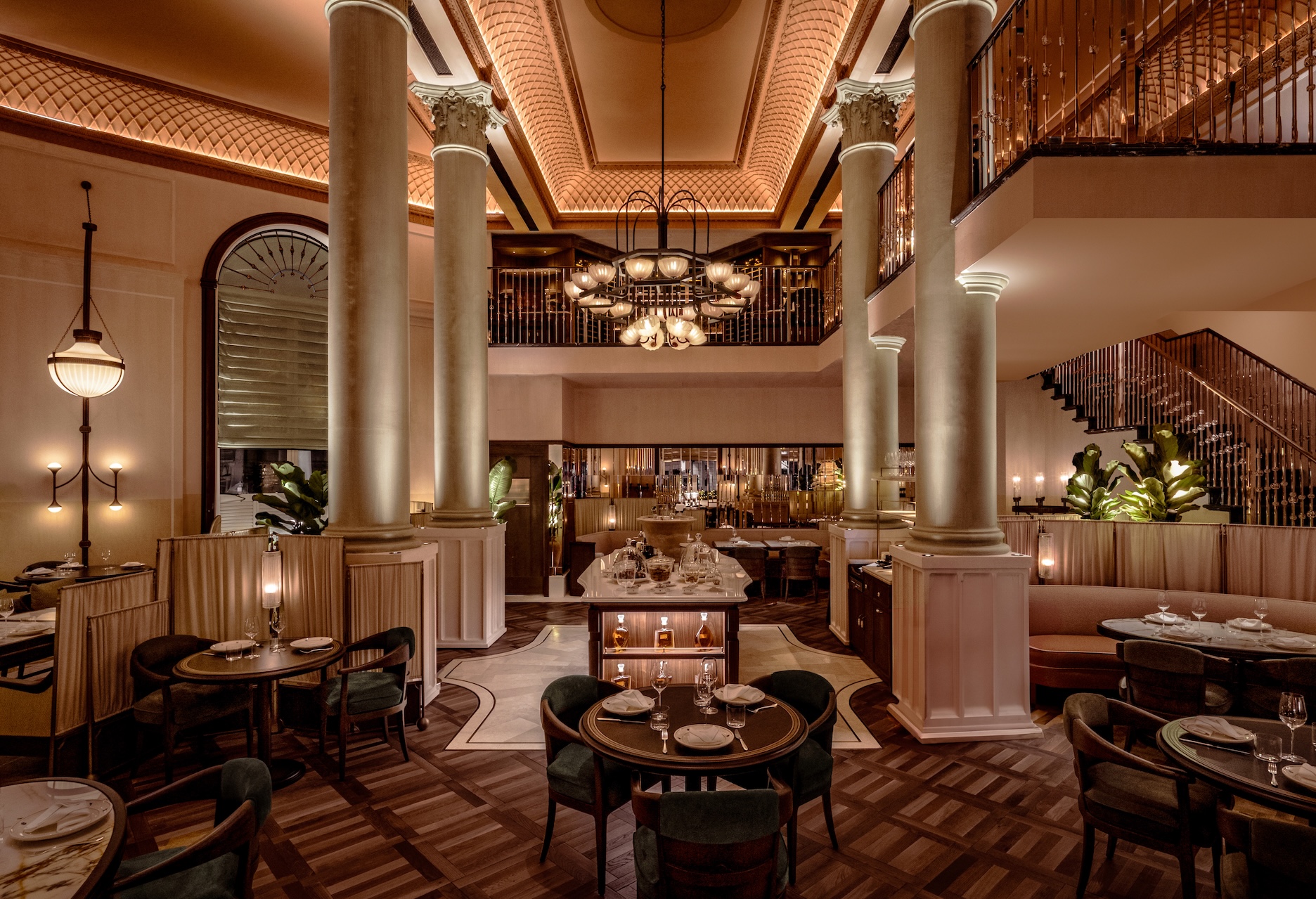
Corinthia’s grand boutique ethos is demonstrated through grand architecture and the vibrant social life of the hotel which is curated by Italy’s celebrated chef Carlo Cracco in his Roman debut. At Viride, overlooking the interior garden, contemporary Italian cuisine is expressed through a refined, seasonal dialogue with exceptional produce. Piazzetta evokes Rome’s tradition of lively, open-hearted hospitality, while Ocra Bar, in warm nocturnal tones, sets the scene for aperitifs and late evenings.
“The opening of the Corinthia in Rome is another milestone for our Group,” Simon Naudi, Managing Director of the Corinthia Group, says, “with a 60-year traditional of hospitality further expanding to major cities and resorts worldwide, with more to come soon in Italy and beyond”.
“Corinthia Rome was created to be experienced,” says Danilo Zucchetti, Managing Director. “We invite the world to visit and fill this rediscovered building with vibrant energy. The authentic connection with Rome and its inhabitants is what matters most to us and is what makes the experience truly memorable, both for our guests from all over the world and for the Romans themselves”
The 60 rooms, including 21 suites, are designed as private residences within the historic fabric of the building. Generous in proportion and filled with natural light, they feature high ceilings and large windows overlooking Rome or the inner courtyard. Restored architectural details are paired with contemporary furnishings, creating a measured balance between heritage and modern comfort.
The suites express the hotel’s grand residential spirit. From the duplex Campo Marzio Suites to the Chigi Suite with its sweeping rooftop terrace, from the Arte Suite to the Theodoli Heritage Suite, each offers a distinct interpretation of Roman character. The Aurea Penthouse crowns the collection – inspired by the Domus Aurea and designed for complete privacy above the city.
Where the bank vault once safeguarded financial reserves, it now protects a sense of personal time. Inspired by the ritual of Roman bathing, the Corinthia Spa is an intimate, subterranean space shaped by water, mineral stone and softened light – a quiet counterpoint to the city above. The treatment menu developed in collaboration with Italian brand Seed to Skin and 111Skin London, combines botanical intelligence with clinical innovation in rituals focused on deep regeneration. With signature treatments such as The Chrysalis and Reverse Signature Facial, the partnership with Seed to Skin brings international guests a distinctly Italian approach to wellness – marrying Tuscan botanicals with advanced performance.
Rooms at Corinthia Rome start from €1300, with suites from €2100 which can be packaged to include various enhancements. Easter in the Eternal City celebrates the period with a package available from 1 to 12 April 2026, including daily breakfast for two, early check-in, late check-out and room upgrade subject to availability, with a welcome Easter amenity and a hotel credit of €100 per room per stay.
Corinthia Rome returns a historic landmark to the city, reimagined for contemporary life as Rome’s eternally artful enclave.
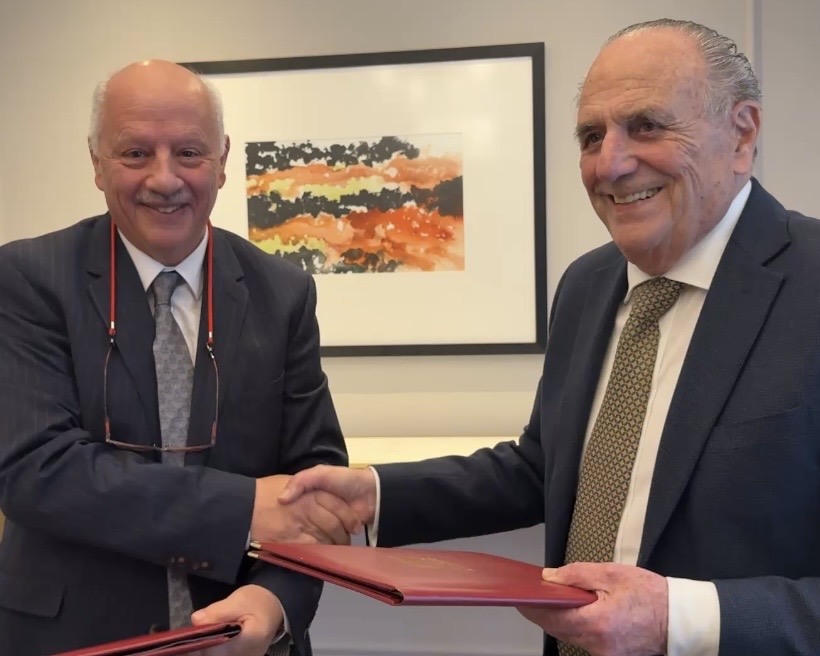
International Hotel Investments (IHI) Group and the University of Malta, together with its Research, Innovation and Development Trust (RIDT), have signed an agreement establishing a three-year doctoral scholarship in sustainable tourism.
The scholarship, known as the Alfred Pisani PhD Scholarship, was signed at the Corinthia Palace Hotel in Attard by University Rector Professor Alfred Vella and Corinthia Chairman Alfred Pisani.
The initiative marks the start of a strategic collaboration between Corinthia and the University of Malta to advance research and innovation in sustainable tourism, an area of growing importance for Malta’s long-term economic and environmental resilience.
Mr Pisani noted that tourism lies at the heart of Corinthia’s mission and Malta’s future prosperity. As an international hotel management brand with a presence in major global capitals, the Group has long recognised the importance of sustainable tourism for the Maltese Islands.
The scholarship reflects a shared commitment to rethinking tourism models and promoting research that supports a more sustainable, value-driven approach. Rather than focusing solely on increasing visitor numbers, the initiative highlights the importance of attracting higher-value tourism that contributes more significantly to the economy while reducing pressure on infrastructure and resources.
Malta’s rich cultural heritage and history position the country strongly to attract discerning travellers seeking quality experiences. The scholarship will support advanced academic research aligned with this direction and with broader national efforts to enhance Malta’s standing as a leading Mediterranean destination.
The choice of the Corinthia Palace Hotel as the signing venue is also symbolic. When the hotel opened in 1968, Malta was at an early stage in establishing tourism as a pillar of its newly independent economy. Six decades later, tourism remains central to Malta’s success, and this collaboration reflects a forward-looking commitment to its sustainable future.
Through the Alfred Pisani PhD Scholarship, IHI and the University of Malta aim to foster academic excellence and meaningful research that will help shape the future of sustainable tourism locally and internationally.
IHI, together with its Head of Sustainability Patrick Spiteri Staines, looks forward to a fruitful partnership that strengthens ties between academia and industry, while supporting an important national research initiative.
Corinthia is redefining the spa experience with the introduction of transformational therapy, creating a calm, self-contained world where guests are given the time, space and expert guidance to reset, rebalance and reconnect.
Biome by Corinthia, launched at the luxury hotel brand’s flagship, Corinthia London, marks a new chapter for its much-loved spa, which for more than a decade has set the standard for urban wellness.
With Biome, Corinthia embraces a new philosophy: Primal Luxury – a balance of instinct and science, nature’s rhythms and modern research.
Charlotte Weatherall, General Manager of Corinthia London, said: “Biome marks an important evolution for us. Our spa has always been a destination. With Biome, we honour that legacy while moving towards something deeper and more intuitive. It’s a living concept that will continue to grow.”
Biome is shaped by three founding partners — Wildsmith, Augustinus Bader, and AMP — each bringing a distinct perspective rooted in nature, science and human potential.
Wildsmith’s biodynamic, botanical treatments focus on restoring balance through touch, rhythm and a deep understanding of the nervous system, offering immersive body rituals and therapeutic facials that feel grounding and restorative.
Augustinus Bader introduces a clinical dimension, powered by its TFC8® technology and regenerative research. Treatments are personalised to support cellular renewal and long-term skin health, working in harmony with the body.
AMP completes the trio with a science-led approach to movement, strength and recovery. Through personal training, conditioning, mobility coaching and advanced recovery therapies, AMP ensures wellbeing is not only felt, but sustained.
Biome is designed to evolve, with future partners and expanded programming set to explore longevity, nutrition and holistic lifestyle support.
Building on the legacy of Corinthia London’s renowned spa, Biome retains its expansive Thermal Floor, tranquil treatment pods, swimming pool, vitality pool, amphitheatre sauna, steam room, experience showers and heated marble loungers — now brought together under a more integrated and intentional vision of care.
Biome by Corinthia London is now open, welcoming hotel guests, members and day visitors into a new era of urban wellbeing – one that feels instinctive, considered and quietly transformative.
Corinthia will be making its long-awaited debut in Italy when Corinthia Rome opens its doors on Saturday, February 28. Set within a beautifully restored historic building overlooking Piazza del Parlamento, the eagerly-awaited hotel promises to be a sparkling jewel in the Eternal City.
Amid the buzz of excitement, Philip Farrugia Randon met the hotel’s General Manager, Danilo Zucchetti, to gain a unique insight into a vision that has been years in the making, and ask why he believes Corinthia’s presence is significant in a special city like Rome?
“It’s our identity – what our founder and Chairman, Alfred Pisani, calls the Spirit of Corinthia – that will set Corinthia Rome apart,” says Danilo. “We take a highly-personalised approach to service and hospitality that elevates the guest experience to another level – efficient but welcoming, luxurious but homely. Coupled with our coveted address, on Piazza del Parlamento, this is what will make Corinthia Rome special.”
With only 60 rooms and suites yet the infrastructure of a grand hotel, how does one balance intimacy with grandeur?
For Danilo, it’s all about aligning intimacy with scale: “On one hand, the hotel offers all the facilities expected of a grand hotel — from restaurants and bars to a state-of-the-art fitness centre and a truly ‘Grand Spa’; on the other, it delivers the intimacy and characterful atmosphere of a boutique property.
“Ultimately, the defining element is the human touch, and how our team transforms service into something more creative and thoughtfully crafted, in the spirit of a boutique hotel.”
Danilo is certainly no stranger to the hospitality industry, having managed some of Italy’s most iconic destination hotels, including Villa d’Este. So, how does the mindset shift when running a city-centre property woven into the political and civic fabric of Rome?
“While Villa d’Este was often described as a ‘destination in itself’, Corinthia Rome possesses its own distinct qualities – from its extraordinary location to the uniqueness of its style – that support our ambition to create not merely a luxury hotel to stay in, but a place to belong to.”
Respect for history is central to that vision. Great care was taken to preserve the character of the original building, including early 19th-century frescoes now visible in the hotel’s largest accommodation, the Heritage Suite. These historical elements are balanced by carefully reimagined contemporary spaces, most notably the open-air garden.
Framed by the hotel’s various outlets, the garden forms the heart of the property – an oasis of tranquillity and conviviality where guests can truly feel at ease – which is conceived as a living space rather than a decorative one: calm in the morning, more social at lunch, and gently animated in the evening.
Equally distinctive is the spa. Conceived as a bespoke sanctuary, Danilo explains it draws inspiration from Roman bathing traditions and the restorative power of nature. Treatments have been developed in collaboration with Seed to Skin from Tuscany and London-based 111Skin, offering both residents and local guests a range of treatments to restore balance within serene surroundings, subtly accented with laurel-inspired décor.
The living spaces, meanwhile, have been designed with a strong sense of residential comfort. With 21 suites among its 60 keys, the hotel offers an unusually generous suite-to-room ratio. Notably, each themed suite has its own distinct character and style – an approach that remains uncommon among hotel brands – and terraces overlooking the historic centre.
“This was a deliberate response to travellers’ growing desire for space and a sense of private residence,” Danilo says. “The modern luxury traveller coming to Rome today is far more focused on meaning. They want to feel like residents rather than visitors, and, as a result, they now tend to stay longer.”
Transforming a historic building into a contemporary hotel was no mean feat. It required patience, precision and a deep respect for the structure’s heritage. As Danilo reflects, “Rome wasn’t built in a day” — and the same proved true for the meticulous renovation of this magnificent property.
“Extensive restoration, logistical complexity, and the need for numerous authorisations meant that the process unfolded gradually. The result is a property where craftsmanship and detail are evident at every turn – from restored architectural features to newly created interiors that balance elegance with warmth. The result has been exceptional: Corinthia Rome stands today as a true expression of timeless Italian elegance, reflected in every detail.”
Food and beverage form a central pillar of the experience. In collaboration with renowned chef Carlo Cracco, the hotel introduces a collection of dining venues including Viride, Ocra, and Piazzetta. Each concept reflects a thoughtful approach to seasonality, ingredient-led cuisine, and an atmosphere that feels refined yet welcoming.
With Rome experiencing a hotel-driven gastronomic renaissance, how does Chef Cracco’s approach here differ from his flagship restaurants in Milan?
Danilo smiled. “Rome is not Milan, and it shouldn’t be treated as such. Carlo’s approach is less about translating an existing model and more about listening to the city.
“The menus at ‘Viride’, ‘Ocra’, and ‘Piazzetta’ will be lighter, more seasonal, and more directly connected to local ingredients and Roman culinary memory. Milan allows for a more conceptual, urban expression of cuisine; Rome calls for warmth, immediacy, and a strong relationship with raw materials. Here, the focus is on clarity of flavour, Mediterranean balance, and dishes that feel refined but never distant from tradition.
Of course, Roman dining culture is notoriously particular, with locals often wary of hotel restaurants. So how did Corinthia go about making this new dining concept appealing not only to hotel guests but also to a broader local clientele?
“The key is authenticity. Romans go where they feel comfortable and respected. Prices, service style, and menu structure are all designed to be approachable, not intimidating. ‘Piazzetta’, in particular, is conceived as a lively, informal meeting place open to the city, while ‘Viride’ and ‘Ocra’ offer more structured experiences without losing warmth. We want Romans to feel that this is their place – a restaurant you return to regularly, not only for special occasions.”
For Danilo, however, the true essence of the hotel lies not in its architecture or facilities, but in its people. After decades in luxury hospitality, he is clear about what mattered most when building the opening team.
“Skills can be trained,” he says, “but passion and attitude are innate. The non-negotiable trait in every new hire is the way they relate to others — to colleagues and to guests. That is what ultimately defines the experience we create.”
With all the planning and detail that have gone into shaping the property, the appointment of Danilo at its helm, and a strong team around him, the foundations are firmly in place, while the partnership with Carlo Cracco further strengthens what is already a compelling proposition.
“We are confident we have created a very special property,” says Danilo. “Corinthia Rome is a private Roman residence tucked in the heart of power and history, where time slows, beauty unfolds quietly, and the city is experienced not as a destination, but as a personal relationship. Now, we look forward to welcoming our first guests so they can get to experience it for themselves.”