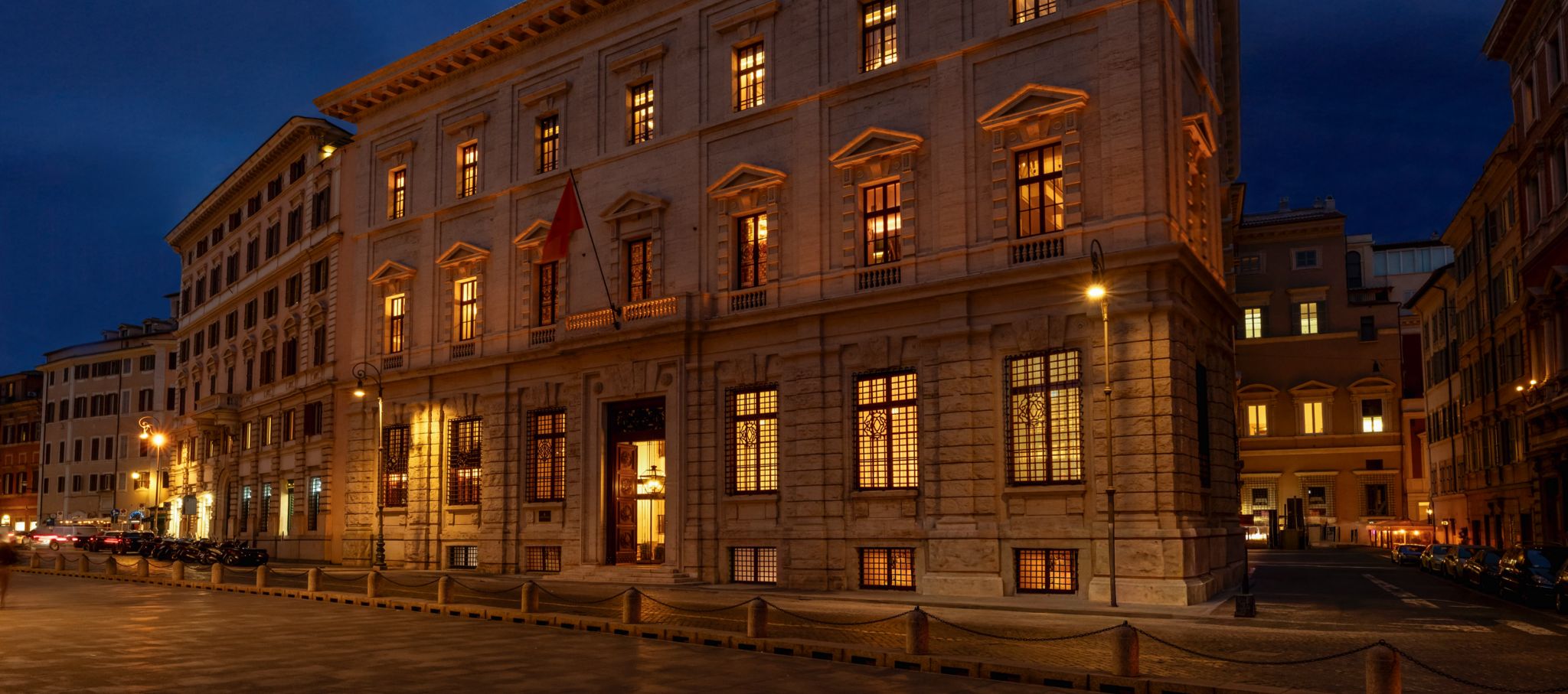

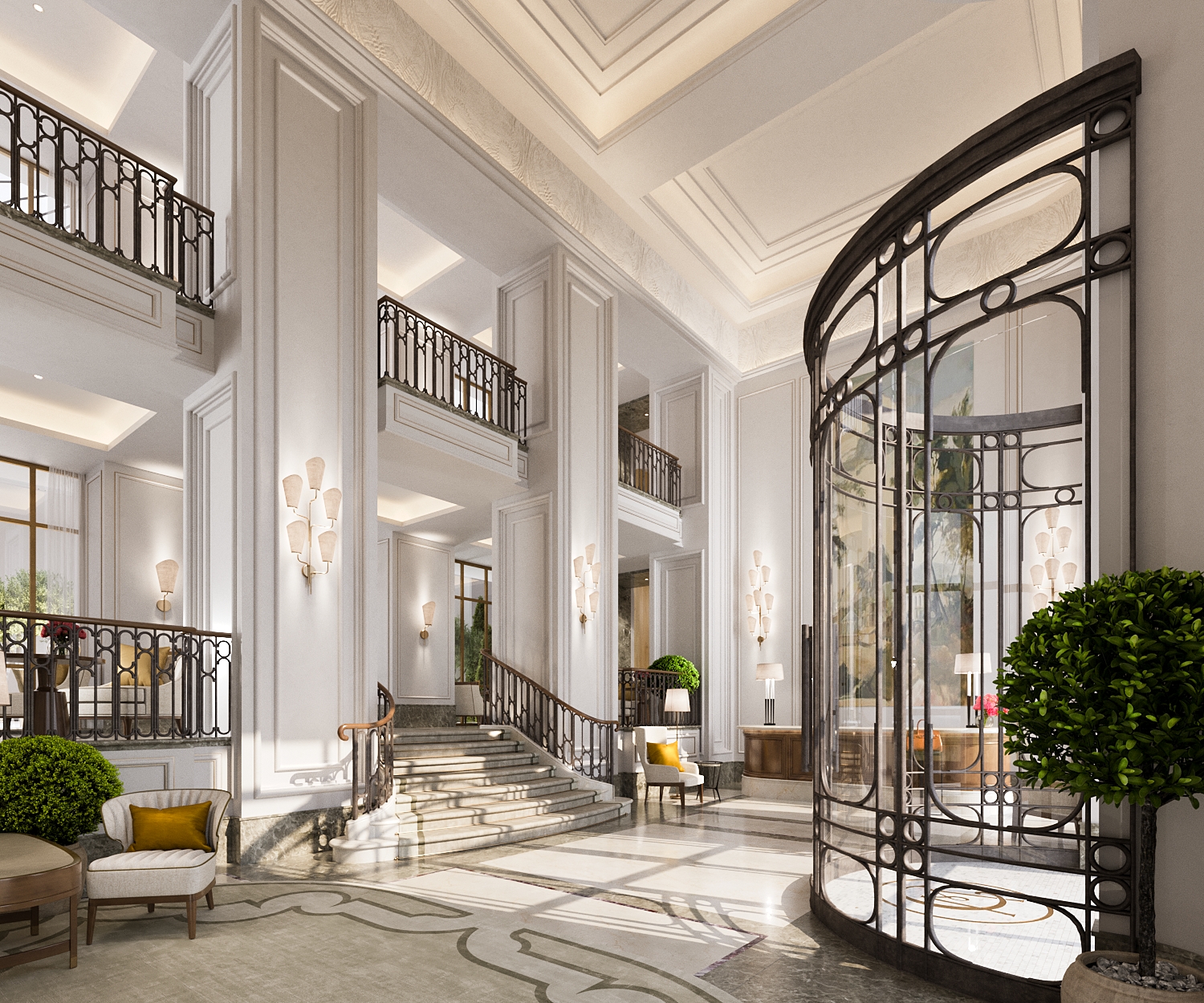
Corinthia will be making its long-awaited debut in Italy when Corinthia Rome opens its doors on Saturday, February 28. Set within a beautifully restored historic building overlooking Piazza del Parlamento, the eagerly-awaited hotel promises to be a sparkling jewel in the Eternal City.
Amid the buzz of excitement, Philip Farrugia Randon met the hotel’s General Manager, Danilo Zucchetti, to gain a unique insight into a vision that has been years in the making, and ask why he believes Corinthia’s presence is significant in a special city like Rome?
“It’s our identity – what our founder and Chairman, Alfred Pisani, calls the Spirit of Corinthia – that will set Corinthia Rome apart,” says Danilo. “We take a highly-personalised approach to service and hospitality that elevates the guest experience to another level – efficient but welcoming, luxurious but homely. Coupled with our coveted address, on Piazza del Parlamento, this is what will make Corinthia Rome special.”
With only 60 rooms and suites yet the infrastructure of a grand hotel, how does one balance intimacy with grandeur?
For Danilo, it’s all about aligning intimacy with scale: “On one hand, the hotel offers all the facilities expected of a grand hotel — from restaurants and bars to a state-of-the-art fitness centre and a truly ‘Grand Spa’; on the other, it delivers the intimacy and characterful atmosphere of a boutique property.
“Ultimately, the defining element is the human touch, and how our team transforms service into something more creative and thoughtfully crafted, in the spirit of a boutique hotel.”
Danilo is certainly no stranger to the hospitality industry, having managed some of Italy’s most iconic destination hotels, including Villa d’Este. So, how does the mindset shift when running a city-centre property woven into the political and civic fabric of Rome?
“While Villa d’Este was often described as a ‘destination in itself’, Corinthia Rome possesses its own distinct qualities – from its extraordinary location to the uniqueness of its style – that support our ambition to create not merely a luxury hotel to stay in, but a place to belong to.”
Respect for history is central to that vision. Great care was taken to preserve the character of the original building, including early 19th-century frescoes now visible in the hotel’s largest accommodation, the Heritage Suite. These historical elements are balanced by carefully reimagined contemporary spaces, most notably the open-air garden.
Framed by the hotel’s various outlets, the garden forms the heart of the property – an oasis of tranquillity and conviviality where guests can truly feel at ease – which is conceived as a living space rather than a decorative one: calm in the morning, more social at lunch, and gently animated in the evening.
Equally distinctive is the spa. Conceived as a bespoke sanctuary, Danilo explains it draws inspiration from Roman bathing traditions and the restorative power of nature. Treatments have been developed in collaboration with Seed to Skin from Tuscany and London-based 111Skin, offering both residents and local guests a range of treatments to restore balance within serene surroundings, subtly accented with laurel-inspired décor.
The living spaces, meanwhile, have been designed with a strong sense of residential comfort. With 21 suites among its 60 keys, the hotel offers an unusually generous suite-to-room ratio. Notably, each themed suite has its own distinct character and style – an approach that remains uncommon among hotel brands – and terraces overlooking the historic centre.
“This was a deliberate response to travellers’ growing desire for space and a sense of private residence,” Danilo says. “The modern luxury traveller coming to Rome today is far more focused on meaning. They want to feel like residents rather than visitors, and, as a result, they now tend to stay longer.”
Transforming a historic building into a contemporary hotel was no mean feat. It required patience, precision and a deep respect for the structure’s heritage. As Danilo reflects, “Rome wasn’t built in a day” — and the same proved true for the meticulous renovation of this magnificent property.
“Extensive restoration, logistical complexity, and the need for numerous authorisations meant that the process unfolded gradually. The result is a property where craftsmanship and detail are evident at every turn – from restored architectural features to newly created interiors that balance elegance with warmth. The result has been exceptional: Corinthia Rome stands today as a true expression of timeless Italian elegance, reflected in every detail.”
Food and beverage form a central pillar of the experience. In collaboration with renowned chef Carlo Cracco, the hotel introduces a collection of dining venues including Viride, Ocra, and Piazzetta. Each concept reflects a thoughtful approach to seasonality, ingredient-led cuisine, and an atmosphere that feels refined yet welcoming.
With Rome experiencing a hotel-driven gastronomic renaissance, how does Chef Cracco’s approach here differ from his flagship restaurants in Milan?
Danilo smiled. “Rome is not Milan, and it shouldn’t be treated as such. Carlo’s approach is less about translating an existing model and more about listening to the city.
“The menus at ‘Viride’, ‘Ocra’, and ‘Piazzetta’ will be lighter, more seasonal, and more directly connected to local ingredients and Roman culinary memory. Milan allows for a more conceptual, urban expression of cuisine; Rome calls for warmth, immediacy, and a strong relationship with raw materials. Here, the focus is on clarity of flavour, Mediterranean balance, and dishes that feel refined but never distant from tradition.
Of course, Roman dining culture is notoriously particular, with locals often wary of hotel restaurants. So how did Corinthia go about making this new dining concept appealing not only to hotel guests but also to a broader local clientele?
“The key is authenticity. Romans go where they feel comfortable and respected. Prices, service style, and menu structure are all designed to be approachable, not intimidating. ‘Piazzetta’, in particular, is conceived as a lively, informal meeting place open to the city, while ‘Viride’ and ‘Ocra’ offer more structured experiences without losing warmth. We want Romans to feel that this is their place – a restaurant you return to regularly, not only for special occasions.”
For Danilo, however, the true essence of the hotel lies not in its architecture or facilities, but in its people. After decades in luxury hospitality, he is clear about what mattered most when building the opening team.
“Skills can be trained,” he says, “but passion and attitude are innate. The non-negotiable trait in every new hire is the way they relate to others — to colleagues and to guests. That is what ultimately defines the experience we create.”
With all the planning and detail that have gone into shaping the property, the appointment of Danilo at its helm, and a strong team around him, the foundations are firmly in place, while the partnership with Carlo Cracco further strengthens what is already a compelling proposition.
“We are confident we have created a very special property,” says Danilo. “Corinthia Rome is a private Roman residence tucked in the heart of power and history, where time slows, beauty unfolds quietly, and the city is experienced not as a destination, but as a personal relationship. Now, we look forward to welcoming our first guests so they can get to experience it for themselves.”