


The cornerstone of every organisation is its people. Any enterprise that is not people-centric is bound to implode. ‘To win in the marketplace, you must first win in the workplace,’ goes one saying. Another echoes a similar sentiment: ‘Treat employees like they make a difference, and they will.’
Corinthia has always been conscious of this. Now that it is undergoing a new phase of expansion, it wants to not only preserve its championship in this area but also ensure that new staff joining the organisation will be imbued with its philosophy.
Against this background, I felt it imperative to meet and chat with Kirsten Lord, Corinthia’s Chief People & Culture Officer (CPCO)
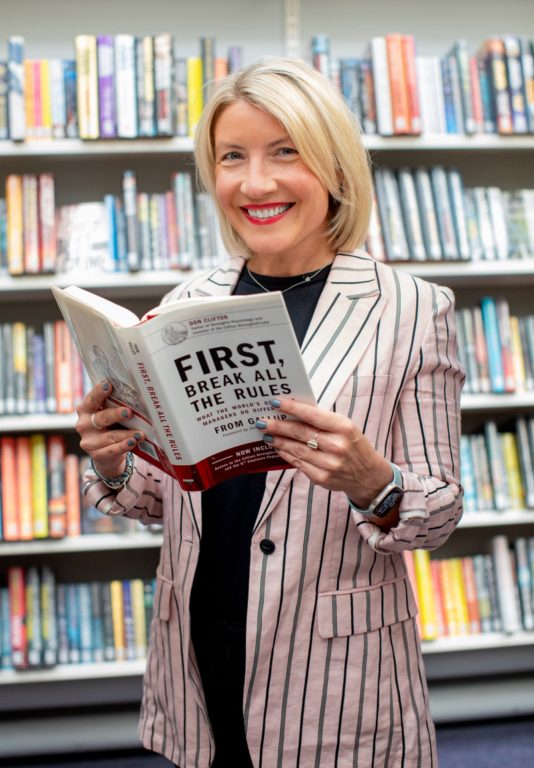
What is her approach to cultivating and maintaining a positive company culture? ‘It’s simple: demonstrate; don’t laminate. It’s no use having glossy posters on walls making declarations about being a great place to work if leaders don’t demonstrate the values and behaviours of the organisation. If there’s a disconnect, people will very quickly disengage.’
Kirsten is fully aware of her crucial role in further embedding the Spirit of Corinthia throughout the company’s organisational culture, fostering an environment that promotes employee well-being and growth. She appreciates the utmost importance to see that newcomers to the organisation must be imbued with this spirit, especially during and after the company’s increase in footprint. “The Spirit of Corinthia is multi-faceted. It is rooted in the business’s heritage and comprises our purpose, values and behaviours. It’s the essence of how things get done and clarifies expectations and our guiding principles when making tough decisions. It’s tangible in the way we behave with each other, particularly when under pressure. More must and will be done to embed this consistently throughout our people practices so that our colleagues understand what is expected of them to safeguard our rich heritage and, in turn, what they can expect from the organisation to support them in doing that.”
How does she align the HR strategy with the organisation’s overall business objectives? ‘A People strategy in isolation is worthless. It underpins the delivery of the overarching business objectives. Hence, it is important to know where you’re trying to get to and where you’re starting from. Knowing what’s required in terms of talent, skills, behaviours, etc., to deliver the strategic outcomes, along with the available level of investment, shapes the design and prioritisation of people initiatives.’
Managing a global workforce must have practical challenges; how did she address them? ‘Practical challenges would include operating in various time zones and getting to grips with legislative, regulatory and cultural nuances. It’s essential to create a corporate framework that can be adapted to local practices.’’
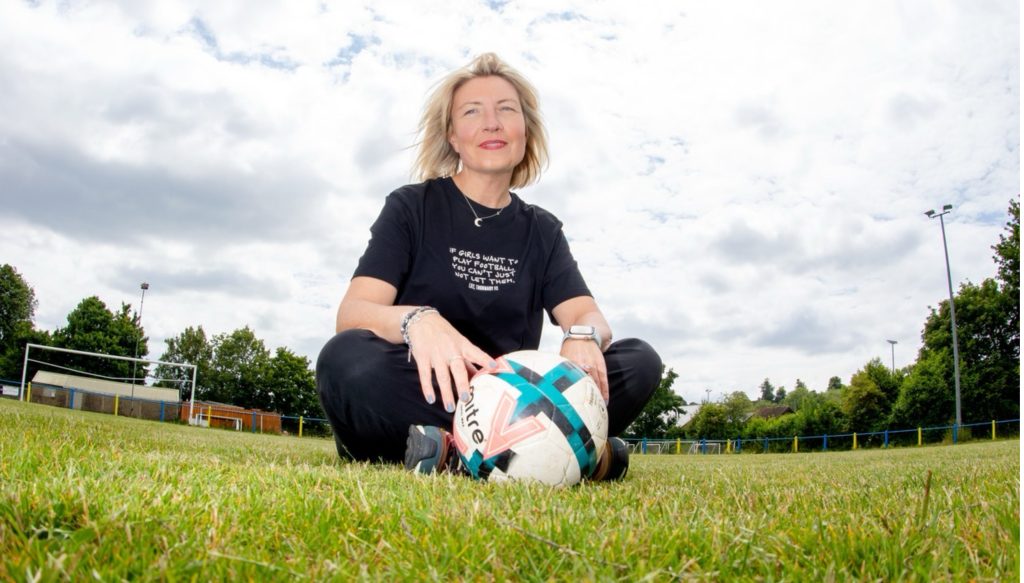
One other challenge would be diversity. I asked Kirsten how she proposed diversity and inclusion within the organisation. ‘I use the statement ‘nothing about me without me’ as a first principle to eradicate assumptions and stereotypes and mitigate bias. Individuals only have an innate understanding of their own lived experience and all its facets, namely race, ethnicity, gender, religion, etc. It is wrong for someone to assume they understand another person’s lived experience. So, with that in mind, I first seek to understand the diversity profile of the business and use this as the backdrop against which to analyse what’s happening in practice, for example, pay scales, promotions, engagement levels, and attrition. Suppose the analysis suggests that a lack of access to initiatives disadvantages groups of employees. In that case, it’s important to explore the barriers and, critically, to ask people what they would find useful through advocacy, support and development to remove them. Diversity and inclusion are the golden threads of any People strategy. The initiatives, policies, processes and procedures must be accessible and relevant to each colleague. One size won’t fit all. There’s a commercial advantage to embracing diversity too. We describe ourselves as ‘Properly Inventive’ – nothing enhances innovation more than diversity of thinking.’

Kirsten’s experience and background make her ideal for this job, having progressed her career throughout all HR disciplines. In a previous role, she specialised in employee relations and was responsible for translating legislation/regulation into policy, process, and procedure. She also maintains a good network of employment lawyers and subscribes to various publications and alerts to stay on top of developments.
I was eager to broach the topic of remote work policies. What did Kirsten think of these, and how could she ensure they align with the company’s values and goals? Her smile immediately indicated she had well-engaged thoughts on the matter. ‘I’m a fan of this approach. Remote working or hybrid models expand the talent pool. You are not restricted by location/mobility, which translates into better opportunities to attract top talent. Post-pandemic societal shifts have resulted in much more reliance on digital communication and engagement in the workplace, contributing to ESG strategies, reducing carbon footprints, providing better work/life balance and contributing to wellbeing factors. There’s still a lot of room for human interaction, particularly in our sector, but there’s also space for more contemporary ways of working. However, I’m cognisant of roles in our business that demand a physical presence, so it’s important when introducing such policies to maintain equity and balance. If, for example, hybrid working provides more flexibility when it comes to visits to the doctor, dentist, or vet, what can we offer colleagues who don’t have the benefit of such flexibility? For example, ‘personal days’ which differ from annual leave and are taken to catch up with ‘life admin’. It’s just a thought!’
I suppose one other challenge could be developing a competitive compensation and benefits strategy that meets the needs of diverse employees. ‘Yes. Again, it’s about knowing your people, not making assumptions, and being able to invest in a flexible benefits programme that gives people choices depending on their stage of life, lifestyle preferences, etc. The Compensation and Benefits market is starting to catch up with societal demographics, and we’re seeing the development of much more appropriate products, for example, the option to opt out of pension contributions in favour of ‘first-time buyer’ saving schemes, products to support employees caring for ageing parents and so forth. Being at the forefront of introducing these benefits will be hugely helpful in differentiating us from our competitors.’
HR cannot and should not live in a vacuum, but must mesh with the other departments to receive and provide information and arrive at a wholesome, harmonious regulation. How did Kirsten promote this collaboration? ‘It’s important to co-create initiatives as far as possible. I advocate for change management, so all key stakeholders must be engaged appropriately in designing people initiatives. By doing so, you demonstrate inclusion, gather diverse thoughts, iron out any tensions up-front and clarify who needs to do what to deliver the common goal.’

For the benefit of readers interested in this field, what qualities did Kirsten believe are essential for effective leadership, and how did she nurture these qualities in future leaders?
‘I need to list them for clarity:
- Being authentic. Trying to be someone other than yourself is frankly exhausting;
- Giving yourself permission to fail and the ability and willingness to learn from those failures;
- Having the courage to say you were wrong and the good grace to apologise;
- Being vulnerable enough to say you don’t know;
- Being curious about other perspectives and points of view;
- Caring enough to provide feedback, both positive and constructive, and
- Avoiding group thinking, thus having the confidence to disagree with and constructively challenge the status quo.
As a qualified Clifton Strengths coach, I use this technique when coaching future leaders to unearth innate talents, helping them understand their unique strength profile and intentionally use it to develop their leadership capabilities.’
Wow! That was indeed an interesting and enlightening chat!