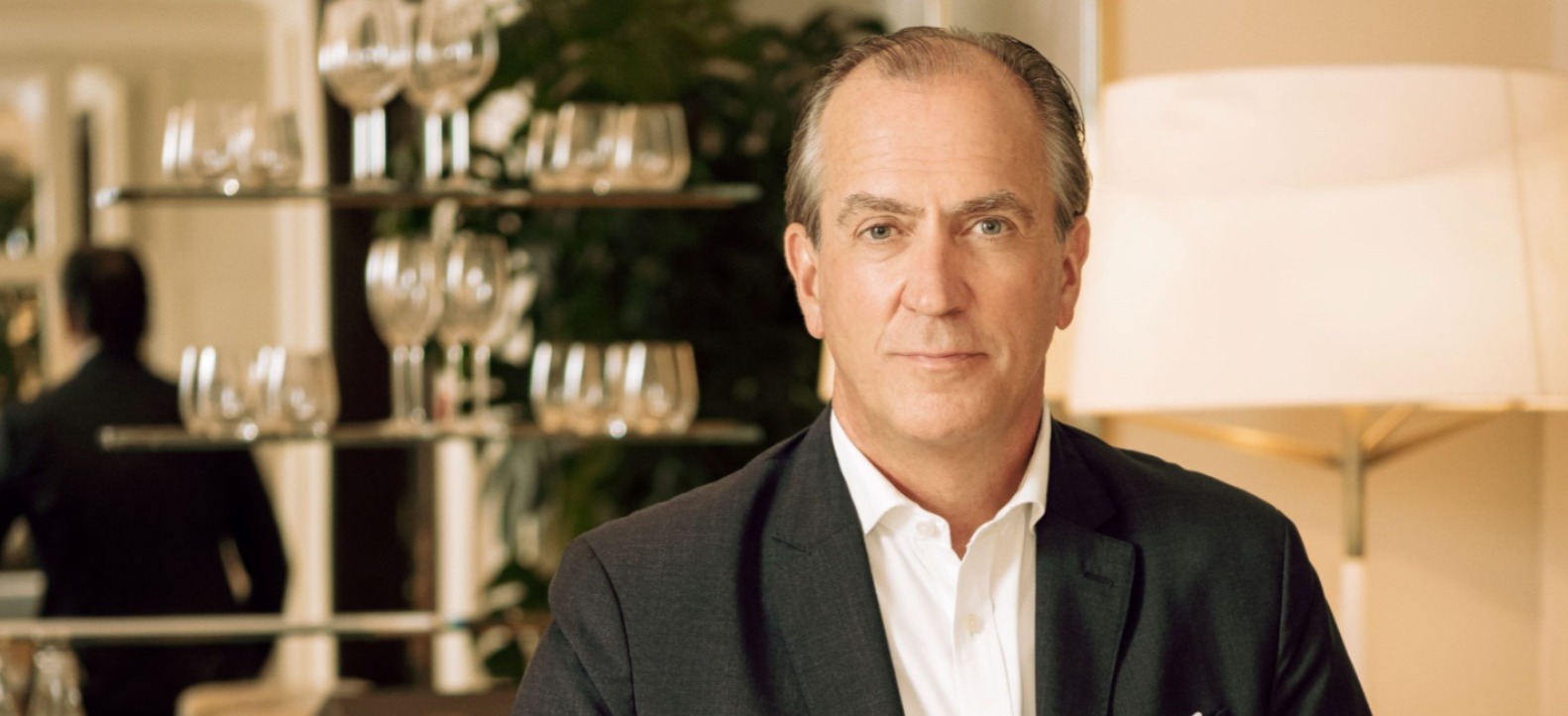


I have always been intrigued by the work of a Project Manager (PM). Recently, I had the chance to meet a PM par excellence: Robert Paul Galea, Senior Partner, Project Management, QP. I wanted to get closer to the role and Robert graciously found time in his busy schedule to chat with me.
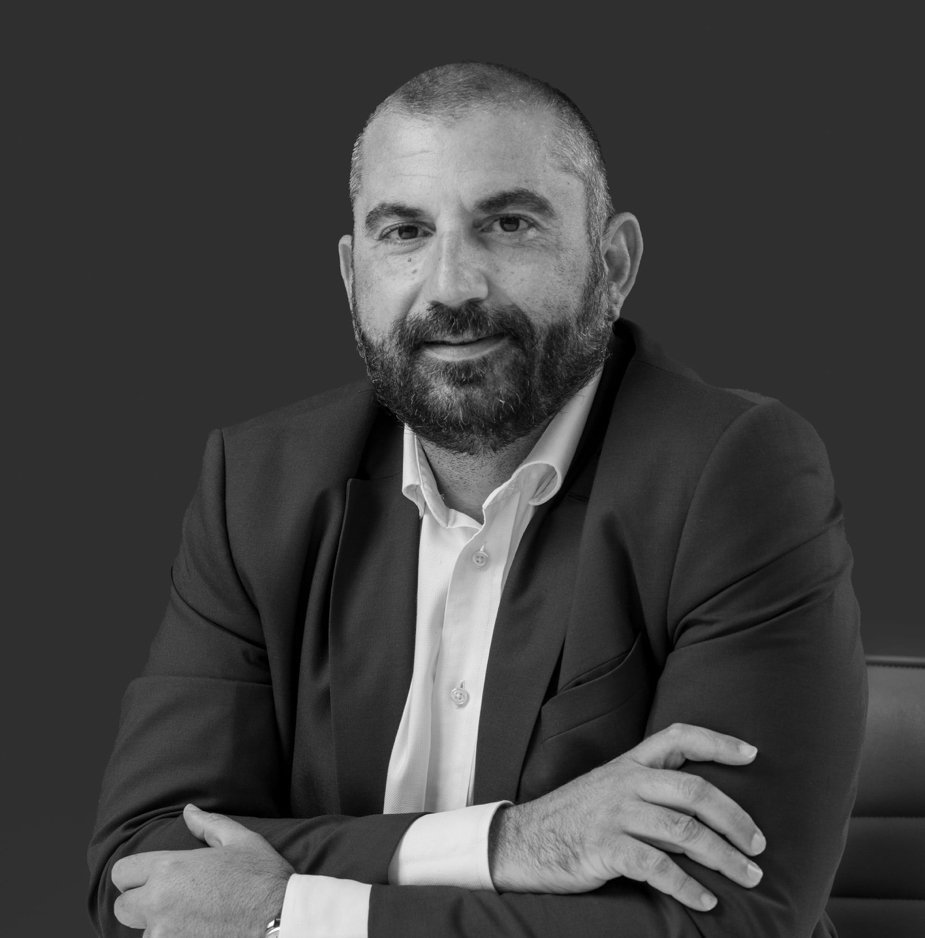
Robert Paul Galea
Robert began his career in October 2002 after graduating with a degree in Architecture and Civil Engineering. He started working with QP on the Corinthia Hotel project in Khartoum, Sudan, where he progressed from Site Architect to Project Manager. He then joined EHC International as a PM, overseeing several projects, with a particular focus on the Four Seasons development in Marrakech, before returning to Malta to work on the new US Embassy project in Ta’ Qali. Following that, he worked as a freelancer for ten years, during which he also managed the SAMOC Oncology Hospital project. In 2022, Robert rejoined QP to lead the Project Management department.
What attracted him back? “My first love was QP. It provided me with the opportunity to work abroad and enrich my experience. I am very adventurous, particularly when it comes to work opportunities, and this drive is what I gained from QP. It has been a natural progression in my career to rejoin QP twenty years later for the same reasons, but with a much enhanced wealth of experience and a few more grey hairs…or what’s left of them. So, I would say that leading teams, particularly on the international front, was the energy that led to my decision to return to QP.”
Robert’s engagement with QP has been fruitful, as he has worked on various significant projects such as the Khartoum Corinthia Hotel, Corinthia Brussels, Corinthia Bucharest, HSBC Headquarters Malta, and the Q3 Tower MIDI in Malta.
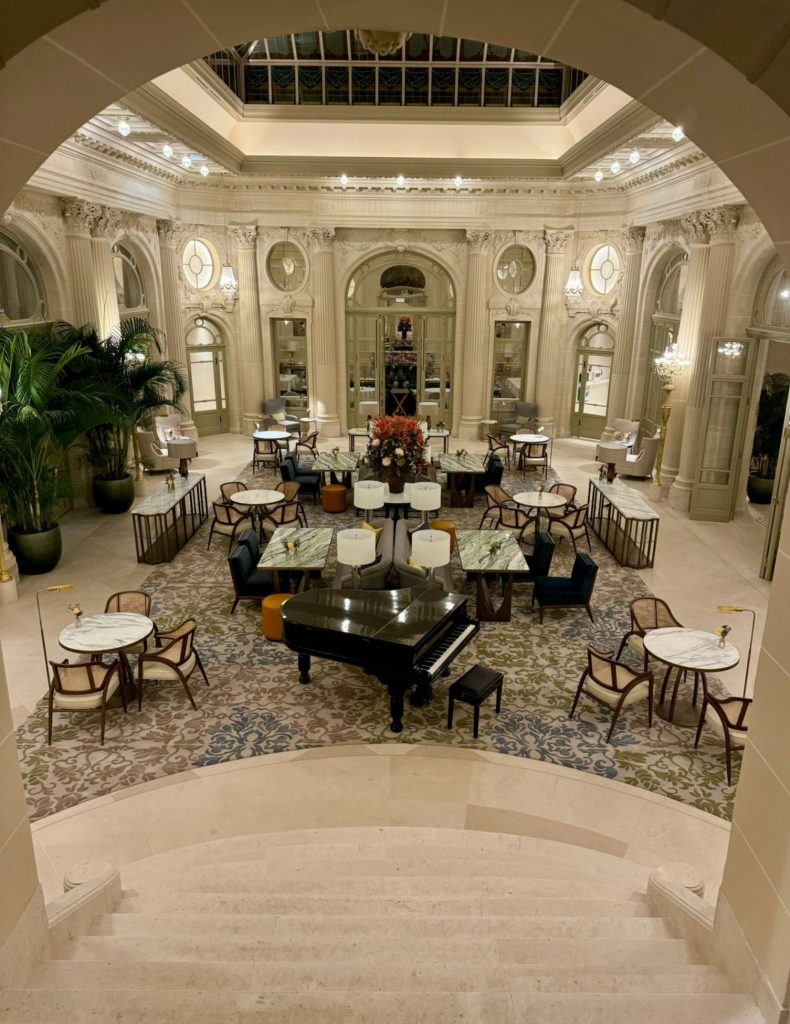
Corinthia Brussels
I invited Robert to expand on the role of a Project Manager, since many are not so familiar with what it really involves.
“It is a crucial role in every project. The PM engages with all stakeholders, maintaining constant communication and a shared vision among clients, consultants, designers, contractors, end users, operators, and all related entities that contribute to the success of a development. They serve as the cohesive force among all parties involved.
The PM faces the ongoing challenge of pushing contractors to meet deadlines while reassuring clients that the development is progressing successfully. The person must be strong yet reasonable, calm yet assertive, strategic, decisive, engaging, and focused at all times.
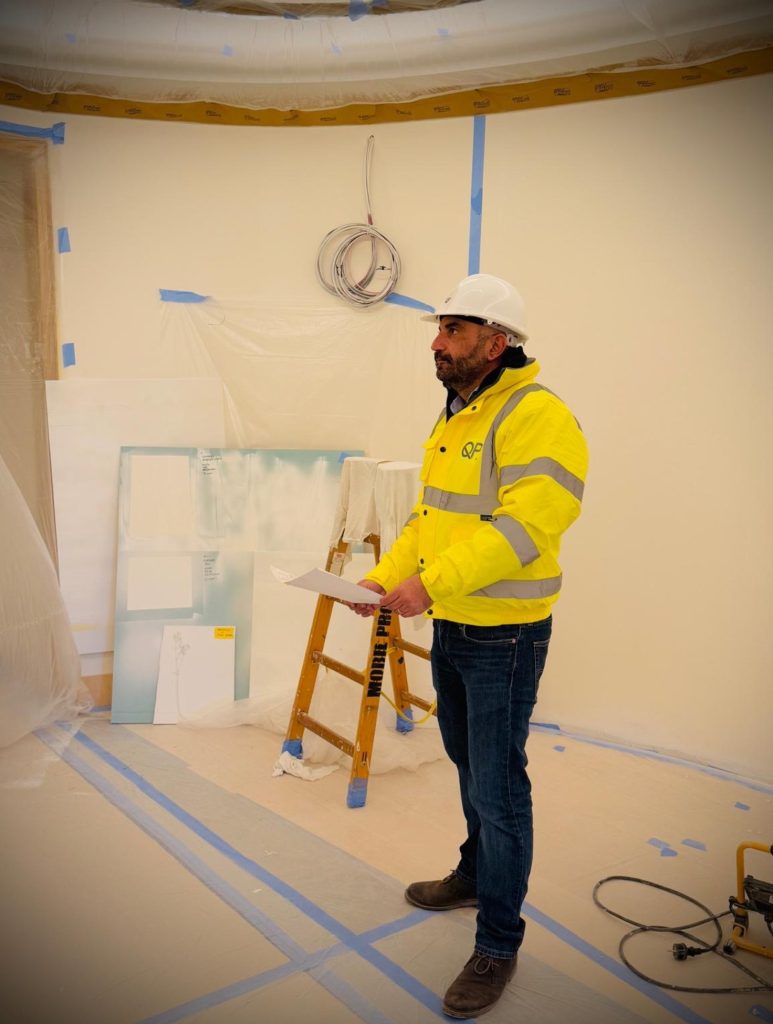
Robert Paul on site
The PM’s involvement begins at the project’s inception and continues throughout the development lifecycle up to the handover stage, often extending into operations. A common misconception, particularly in the local market, is that the PM is only appointed during the construction phase. However, a PM’s true capabilities are showcased during the pre-construction phases, when all risks must be identified, mitigated, and addressed while the design is in progress and procurement is ongoing.
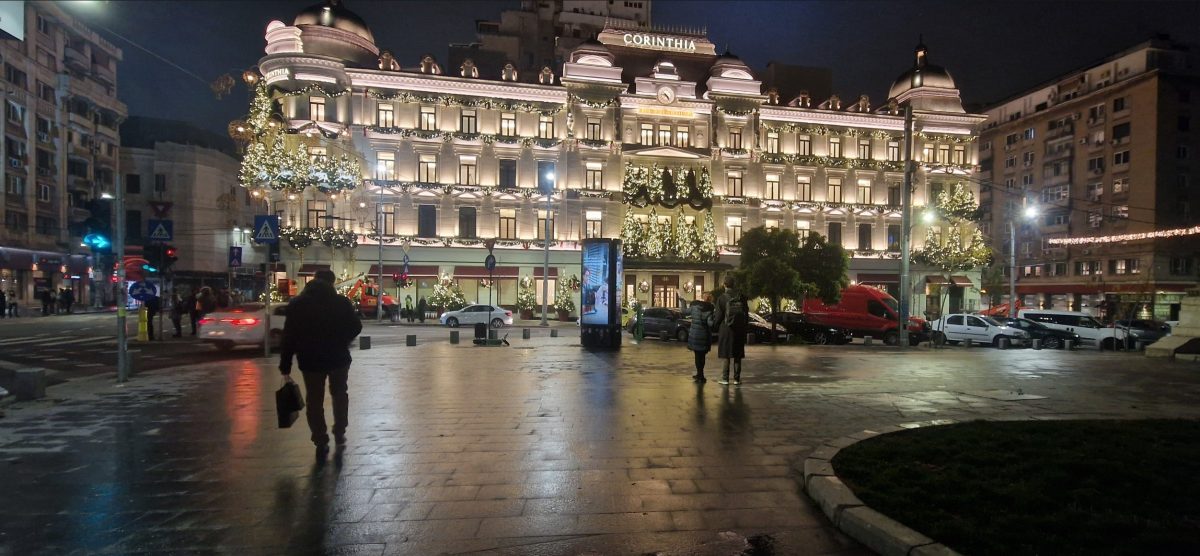
Corinthia Bucharest
During the construction phase, the PM remains on-site, constantly ensuring that progress aligns with the plan and responding promptly to any issues that may arise and potentially derail the project.”
I enquired about the different stages of a project. Robert emphasised that QP adheres to the RIBA (Royal Institute of British Architects) plan of work. “The process begins with the Preparation and Brief stage, where objectives and initial plans are established. This is followed by the Concept Design stage, which evaluates feasibility and aligns with client expectations. The Spatial Coordination stage then refines designs, finalises budgets, and secures necessary approvals. In the Technical Design stage, detailed specifications and regulatory compliance are developed, while the Manufacturing and Construction stage involves on-site supervision and progress monitoring. Finally, the Handover stage completes the project with inspections and client documentation, ensuring successful completion.”
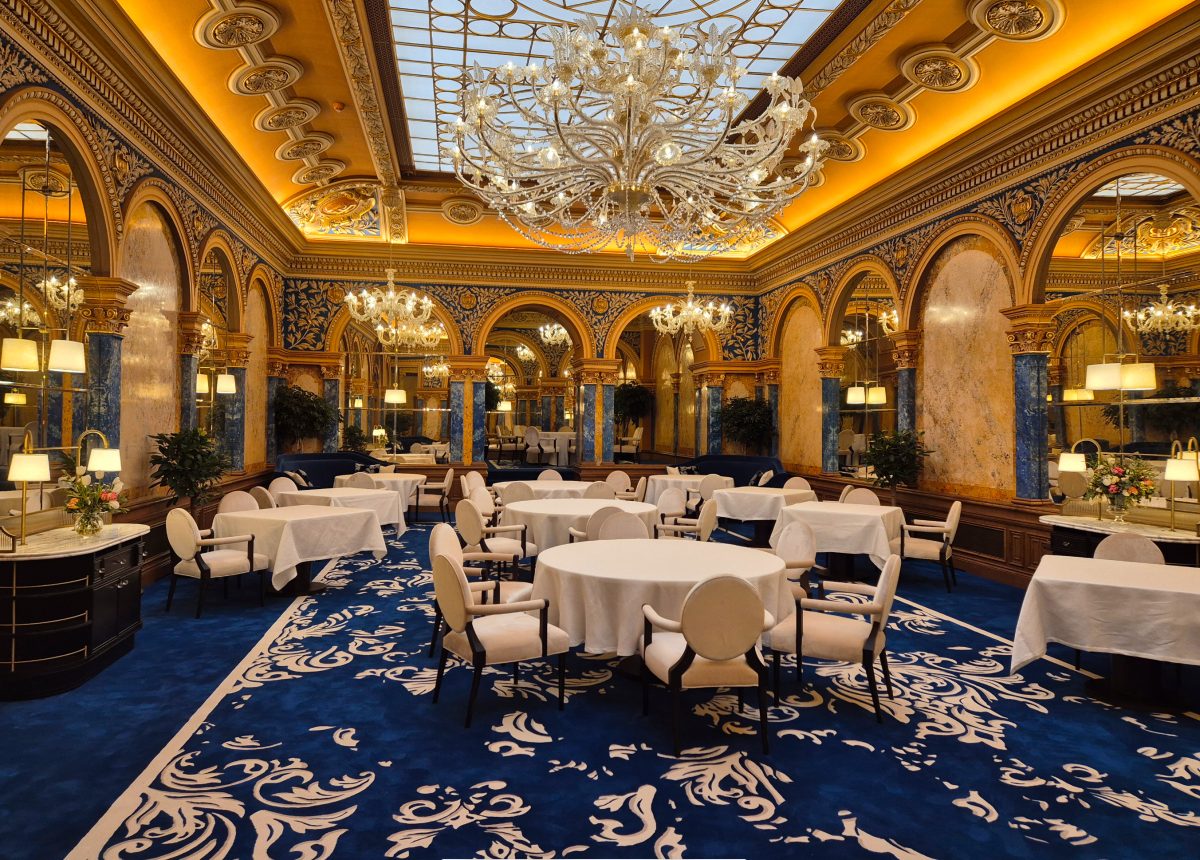
Corinthia Bucharest
I assumed all this required great teamwork. Would it be correct to state that it is essential to skillfully manage, coordinate, and motivate the project team to meet requirements? What do you do to ensure this?
“You are absolutely right. A PM cannot work in isolation. While we often speak of a Project Manager, there are other roles within my department that provide essential support, including project planning and document control. Depending on the size and complexity of a project, we may also have assistant project managers and site supervisors to support the PM. Additionally, QP encompasses all disciplines through its various departments, which form the backbone of the project. These roles are instrumental to the project’s success, particularly in areas like cost management and quality control.
It’s essential for the project team to gel, and it is the responsibility of senior partners at QP to ensure that everyone is aligned and driving in the same direction as the PM. This drive, coordination, and motivation come from within our support system.
We offer comprehensive support to the respective project managers from the main office, with constant communication ensuring that we can provide necessary assistance and guidance at any time. Maintaining full communication and understanding of every project is key to our success. This allows us to supplement and fill in from the head office immediately as required.
The role of the PM is instrumental in ensuring that individual roles are fulfilling their respective scopes while keeping the client informed about all activities.”

Corinthia Brussels
I asked Robert what he considers the essential requisites and skills for a PM. He held a pencil and sketched a few points as he spoke: “It’s a blend of technical expertise, leadership skills, and strategic thinking to navigate the complexities of project delivery.
Strong technical knowledge is naturally essential. Familiarity with RIBA stages, construction processes, and industry regulations is crucial. Proficiency in project planning, cost management, risk assessment, and contract administration are important to ensure smooth project execution. Additionally, the ability to proficiently use project management software and scheduling platforms greatly enhances efficiency and streamlines processes.
Leadership and communication skills are vital for effectively coordinating multidisciplinary teams and maintaining stakeholder relationships. A PM must inspire confidence within the team and resolve conflicts when they arise.
Clear, concise communication is crucial for ensuring alignment among clients, design teams, contractors, and other stakeholders, facilitating a more cohesive project environment.
Organisational and problem-solving abilities are valuable assets critical for efficiently managing timelines, budgets, and resources. A successful Project Manager (PM) must possess the aptitude to anticipate challenges, analyse risks, and implement proactive solutions. The ability to identify potential issues before they escalate is key to mitigating delays and preventing cost overruns.
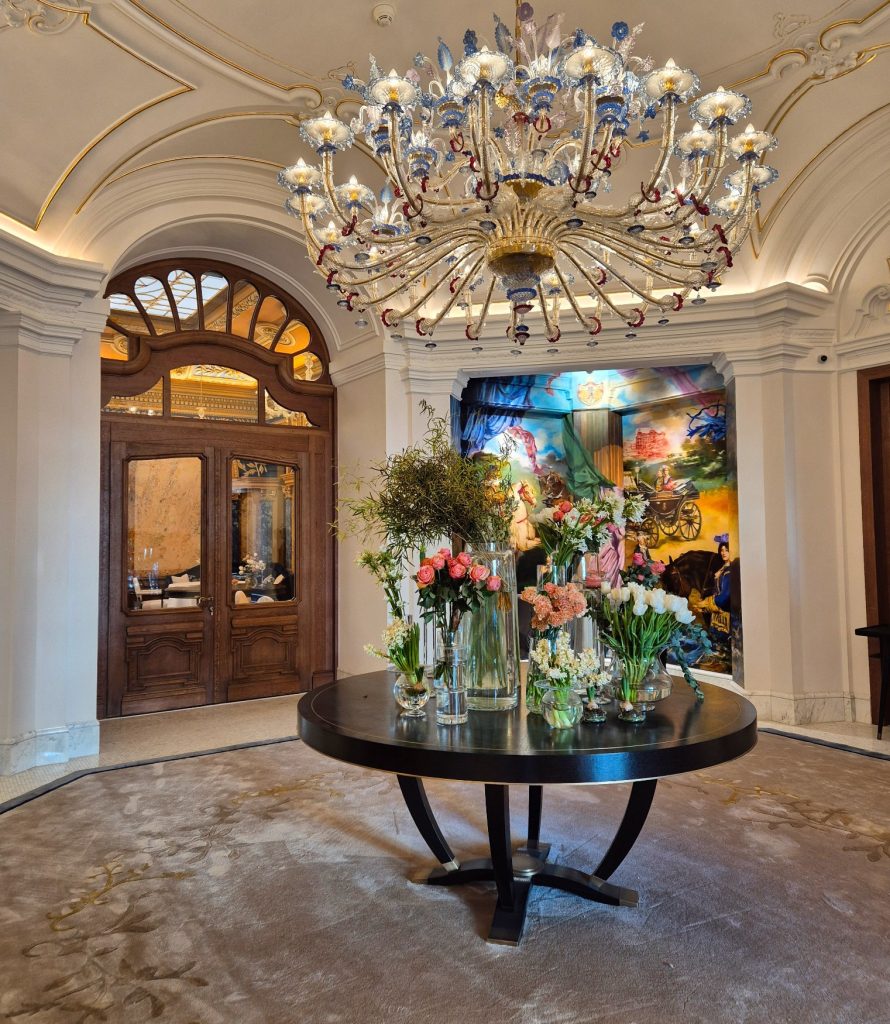
Corinthia Bucharest
In the dynamic construction environment, adaptability and decision-making are indispensable. A PM must demonstrate flexibility in adjusting plans and make informed decisions even under pressure. This quality enables quick responses to unexpected changes and challenges.
Last, but certainly not least, is a client-focused approach. A Project Manager must prioritise the client’s vision and needs to build trust and foster long-term relationships. By aligning project objectives with client expectations, a PM not only secures successful outcomes but also helps establish enduring partnerships.“
After describing many aspects of his work, I asked Robert to describe himself. “That’s not easy, but I would say I consider myself, first and foremost, a very positive person with great energy. I’m a hard worker and easy to work with, although I’m never fully satisfied. This is a positive trait that nudges me to keep improving and striving for excellence. My desire for improvement fuels my energy and drive. I have an outgoing personality and can easily adapt to all kinds of situations and conversations. I approach complex matters with a simplified, systematic approach.”
Eager to discover how Robert relaxes despite his busy schedule, I asked him what he looks forward to doing after work. “I enjoy spending time with family and friends. I have always had a passion for sports; however, I have not been very active recently. I intend to set some goals in that regard.
On weekends, when possible, I enjoy shore fishing in the early hours of the day. This is my space, and nobody else’s. It’s my time to hover between thoughts while connecting with nature. I started this during the Covid period and found it to be extremely relaxing, as well as helpful for organising the week ahead.”
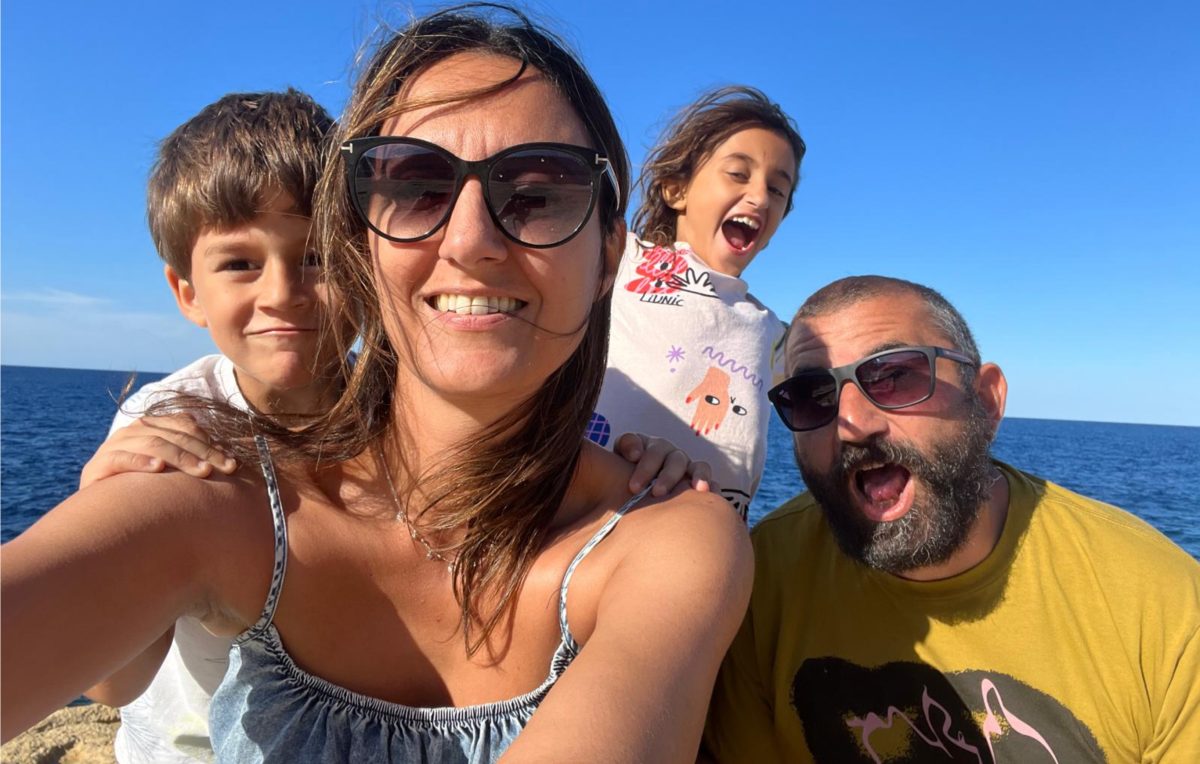
What a great family photo!
Robert mentioned his family, so I thought that would be a good topic to conclude our chat. He smiled. “Family is the most important thing in my life. It is only thanks to my family that I can carry out the work I do. My wife, Ruth, is the backbone of our family, and her support throughout has been crucial. We have two kids: Charlotte, 11, and Matthew, 7. Charlotte is an avid swimmer, while Matthew enjoys his football, so I would say they have both inherited my love for sports.”
Robert’s attachment to his family was evident; perhaps they are his best project to date.