

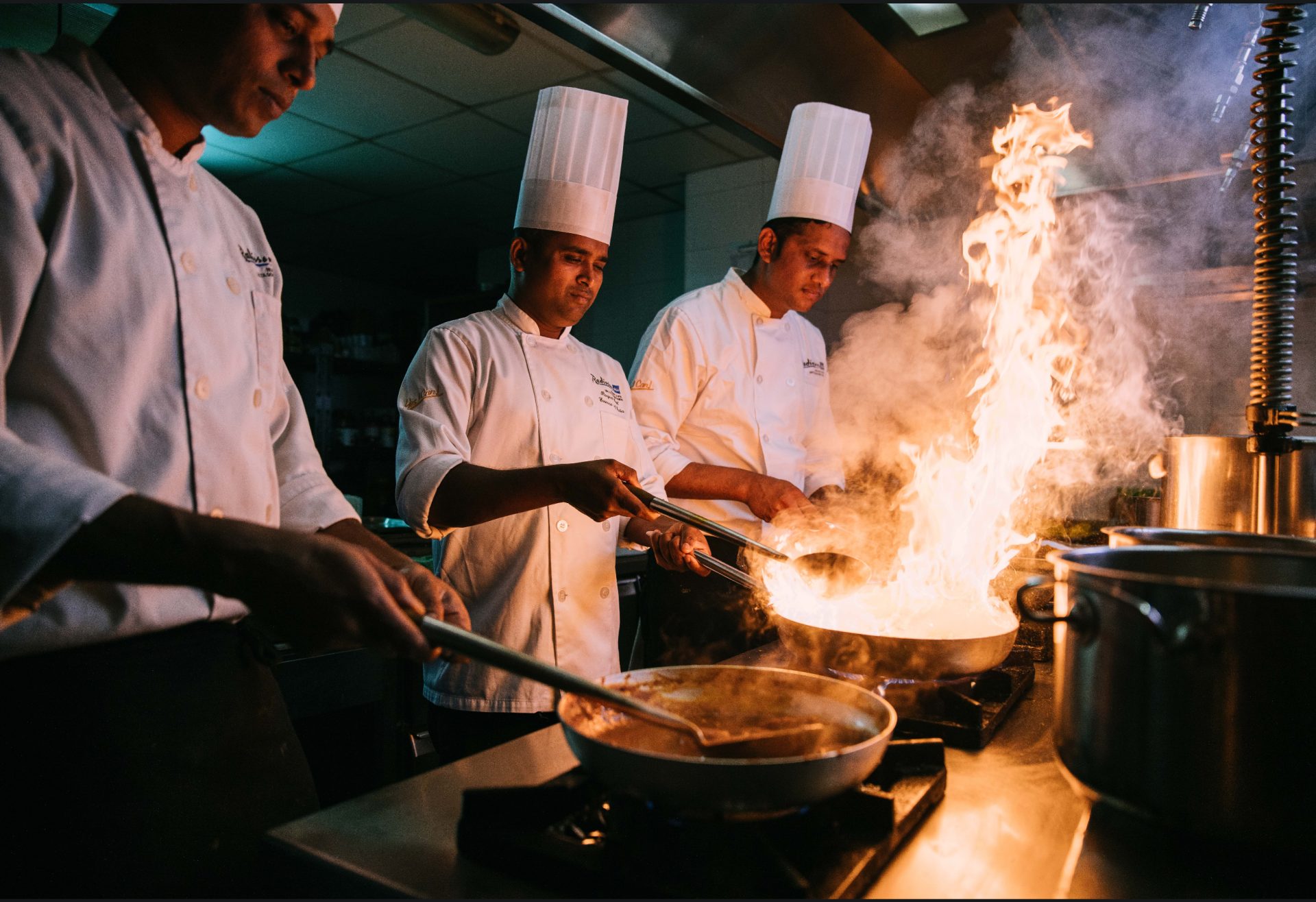
Before meeting Chef Ranjeet I never thought he would immerse me in a new kaleidoscope of flavours. He gently injected in me an awareness that Indian cuisine is a celebration of spices, flavours, traditions and emotions.
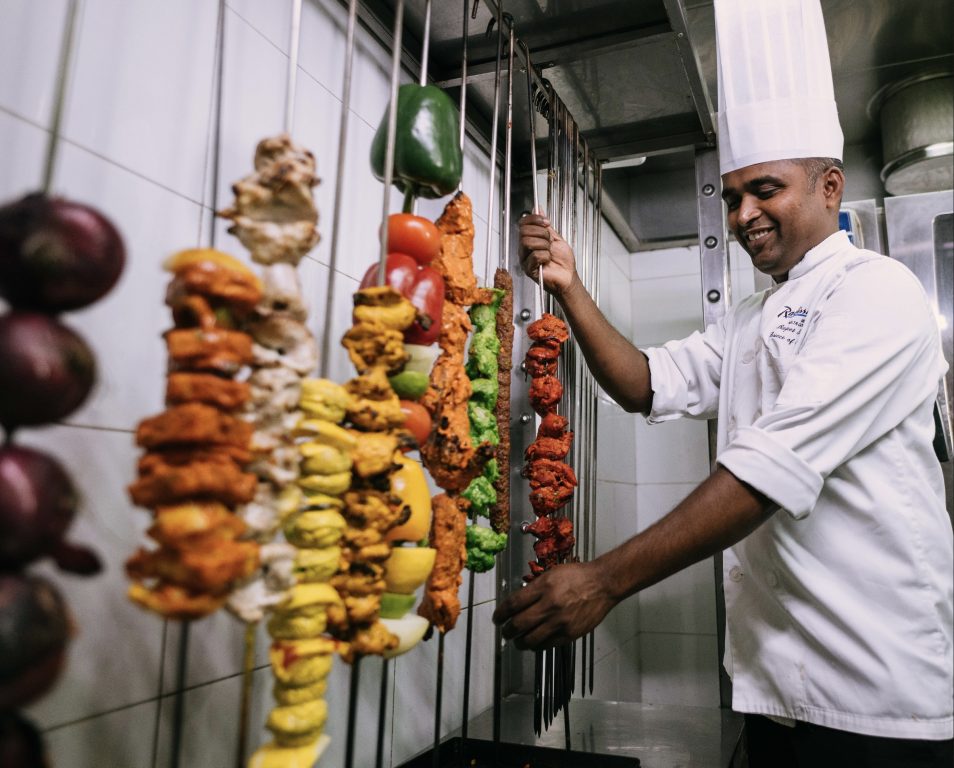
The restaurant Essence of India at Radisson Blu Resort & Spa, Malta Golden Sands, is a must-visit if you want to experience another world of taste.
“Indian cooking is all about spices,” Ranjeet explained. “The essential spices for any Indian kitchen include cumin, coriander, turmeric, mustard seeds, cardamom, cloves, and garam masala. But I would also recommend hing (asafoetida) and kasuri methi (dried fenugreek leaves), lesser-known spices that uniquely enrich many dishes. Every Indian kitchen needs these spices to create layers of flavours and aromas that make the food so vibrant.”
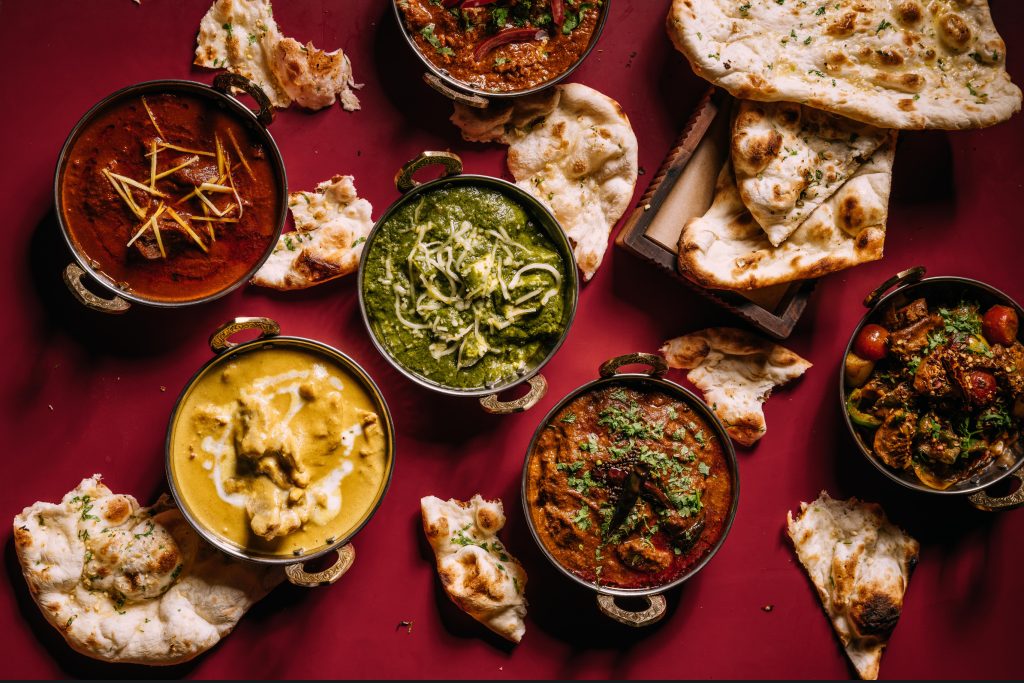
India covers an area of 3.287 million km² enriched with an age-old culture and hoards of regional inferences. How do those regional differences influence Indian cuisine? Ranjeet’s eyes fired with excitement. “Indian cuisine is incredibly diverse, and every region has unique dishes, ingredients, and techniques. In the North, you will find rich curries, bread like naan and paratha, and dairy products like ghee and yoghurt.
“In contrast, Southern Indian cuisine emphasises rice, coconut, and a variety of spices that bring heat and complexity. East Indian cuisine, like that from Bengal, is famous for its seafood and subtle use of mustard. And, of course, my region of Maharashtra, particularly in Kolhapur, is known for its fiery curries like Tambda Rassa and Pandhra Rassa. These regional differences reflect the local climate, geography, and culture, making Indian food incredibly dynamic and rich.”
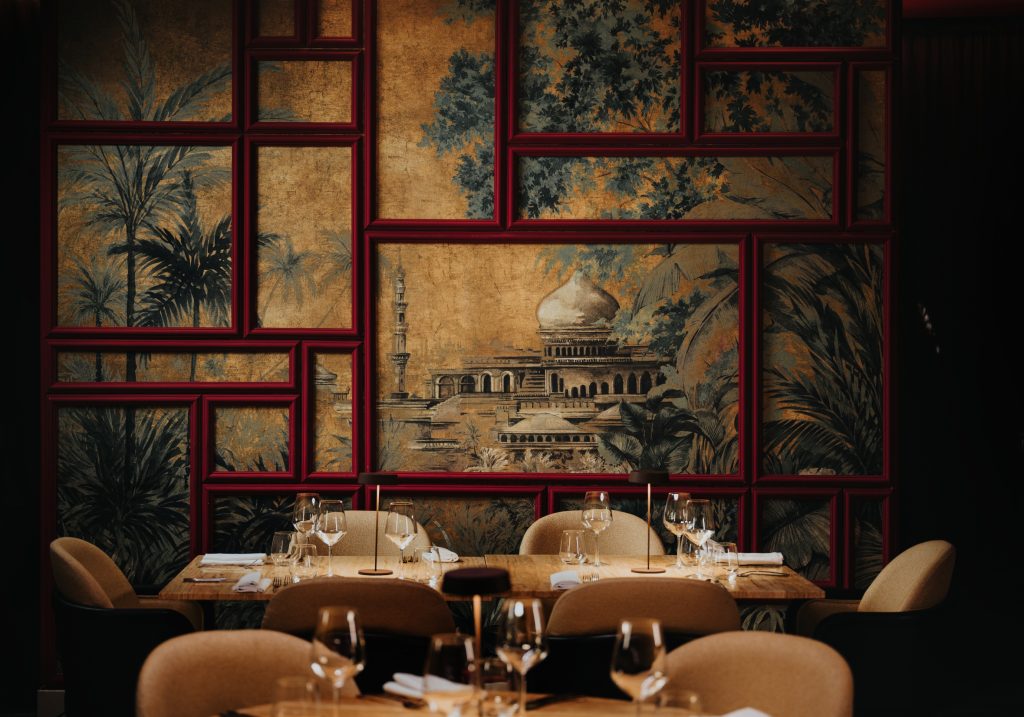
Ranjeet’s reference to his region led me to extract his earliest culinary recollections. He was visibly moved. “It all began in the humble kitchen of my family home in Kolhapur, Maharashtra, India. I was inspired not only by the delicious meals prepared by my mother but also by the food prepared for our community gatherings. Seeing them create such vibrant, flavourful dishes from simple, fresh ingredients was magical. These experiences instilled in me a passion for cooking, which eventually led me to explore Indian rich and diverse cuisine beyond my home.”
I wondered whether Chef Ranjeet was self-taught or had any formal training. “My culinary education has been a combination of self-taught experiences and formal training. I started with family recipes but soon needed to deepen my understanding of Indian cuisine and other international styles, so I attended culinary school in India. Working in various Indian kitchens across different regions was a true eye-opener, and it helped me develop a holistic approach to Indian cooking. I increasingly deepened my appreciation of regional culinary techniques and traditions and learnt to combine modern techniques with age-old wisdom.”
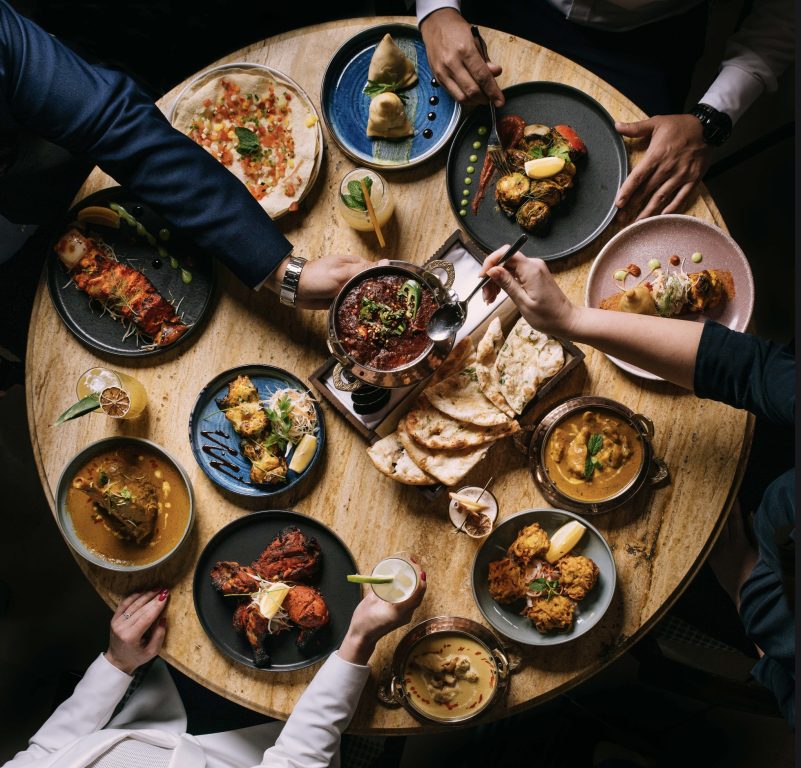
I referred Ranjeet to a saying that Indian cuisine is a celebration of spices, flavours, and traditions. “Spot on!” he exclaimed. “But it is a balanced celebration. Balance is at the heart of Indian cooking. We aim to harmonise the five essential tastes – sweet, sour, salty, bitter, and spicy in each meal. Textures are equally important, with a mix of soft, crispy, and creamy elements to provide an interesting mouthfeel. Visually, Indian dishes are vibrant, often showcasing a range of natural colours from spices and vegetables. Many outside India erroneously think Indian food is purely spicy, but it is much more. Now that the global palate is becoming more familiar with the nuances of Indian cuisine, people are starting to appreciate its vibrancy, complexity, and healthfulness. A well-balanced Indian meal is both flavourful and nourishing for the body and mind.”
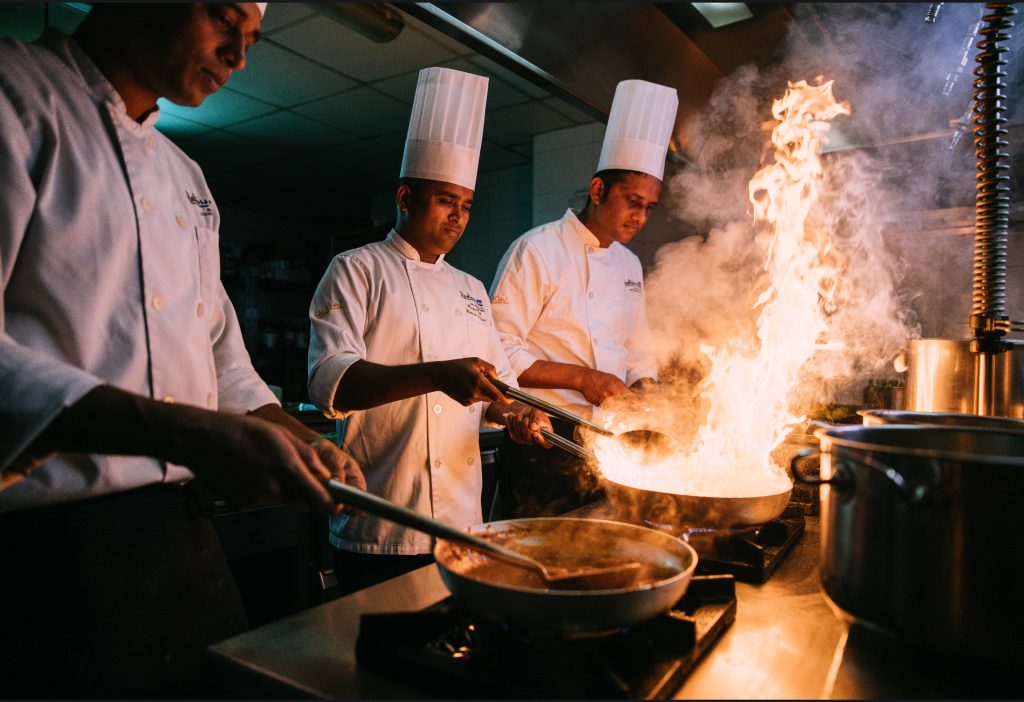
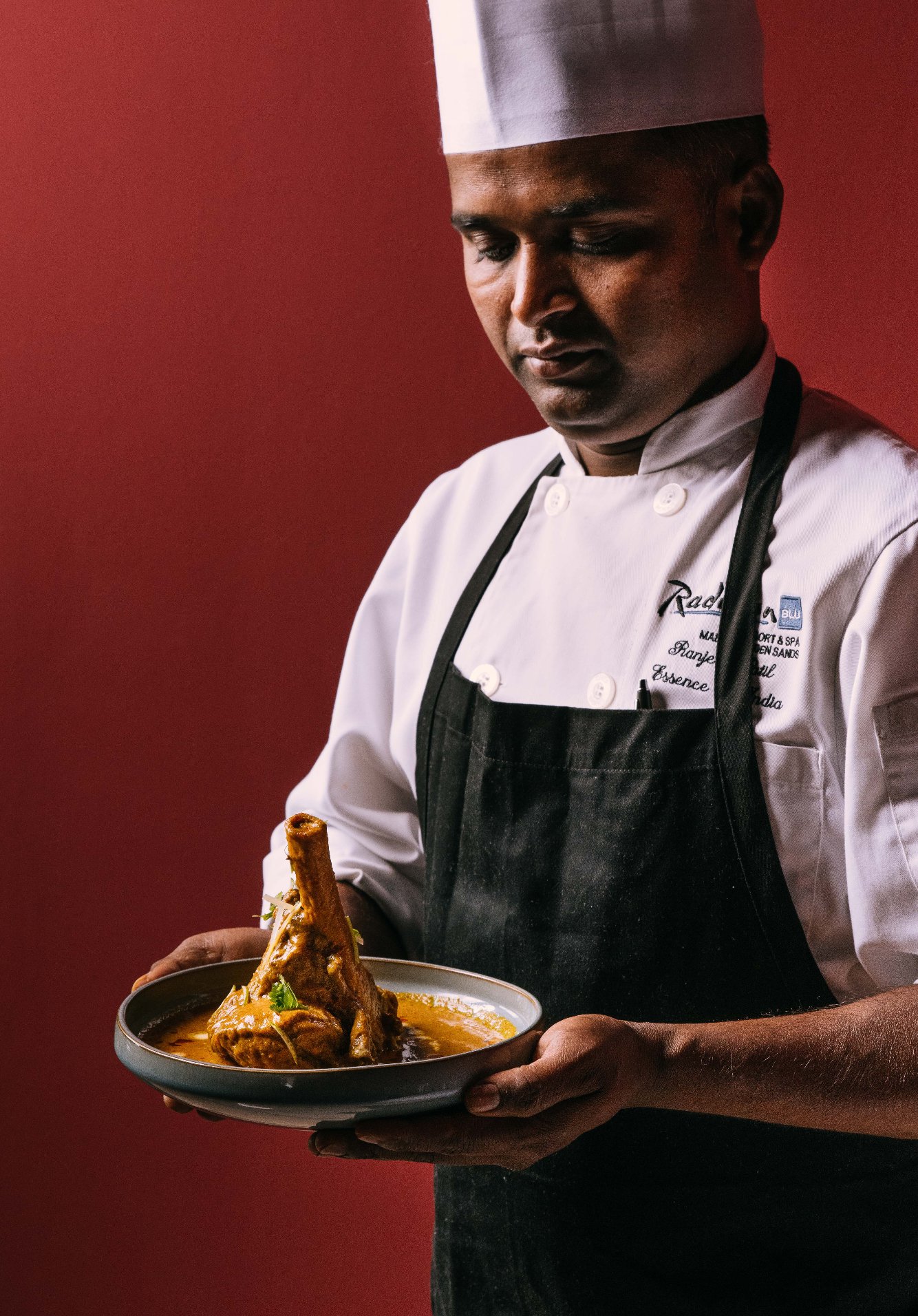
What is the signature dish of Essence of India, and what makes it unique? “ It is Nalli Nihari, a slow-cooked, rich, and hearty lamb shank dish that has become a highlight of our dinner menu. The lamb shanks are simmered in a flavourful blend of spices, ginger, garlic, and saffron until they are fall-off-the-bone tender. The long, slow cooking process allows the flavours to fully develop, creating an indulgent, comforting dish that is perfect for a special meal. In addition to Nalli Nihari, some of our other popular dishes include the Lasooni Chili Prawns, marinated in garlic and chilli for a fiery yet flavourful bite, and our Trio Platters, a selection of three starters that offer a perfect introduction to the variety and depth of flavours in Indian cuisine. These dishes have become favourites among our guests and showcase the creativity and tradition behind our cooking.”
Chef Ranjeet’s passionate description of his dishes made my mouth water profusely.
Did he incorporate traditional recipes into modern cooking? “Absolutely! I love blending the traditional with the modern. For example, I take classic dishes like Dal, Rogan Josh, or even the complex Nalli Nihari and enhance them with a modern presentation or fusion ingredients. I might serve Dal with Quinoa instead of rice or create a deconstructed version of a traditional curry for a fine dining experience. By combining traditional recipes with contemporary techniques, we can introduce people to the authenticity of Indian cuisine in a fresh and exciting manner.”
Ranjeet then pointed out cooking techniques that were uniquely Indian, “Tadka (tempering) is perhaps the most distinctive. It involves frying spices like cumin, mustard seeds, or curry leaves in hot oil or ghee to release their essential oils and enhance their flavours.” He then referred to another important technique: Dum cooking, which is slow cooking in a sealed pot, often used for biryanis and rich gravies. “The art of grinding fresh masalas is also quite unique, as we often use fresh spice blends tailored to each dish rather than relying on pre-made powders. These techniques define Indian cuisine and ensure that every dish has a rich flavour depth, ” Ranjeet said with a strong dose of pride.
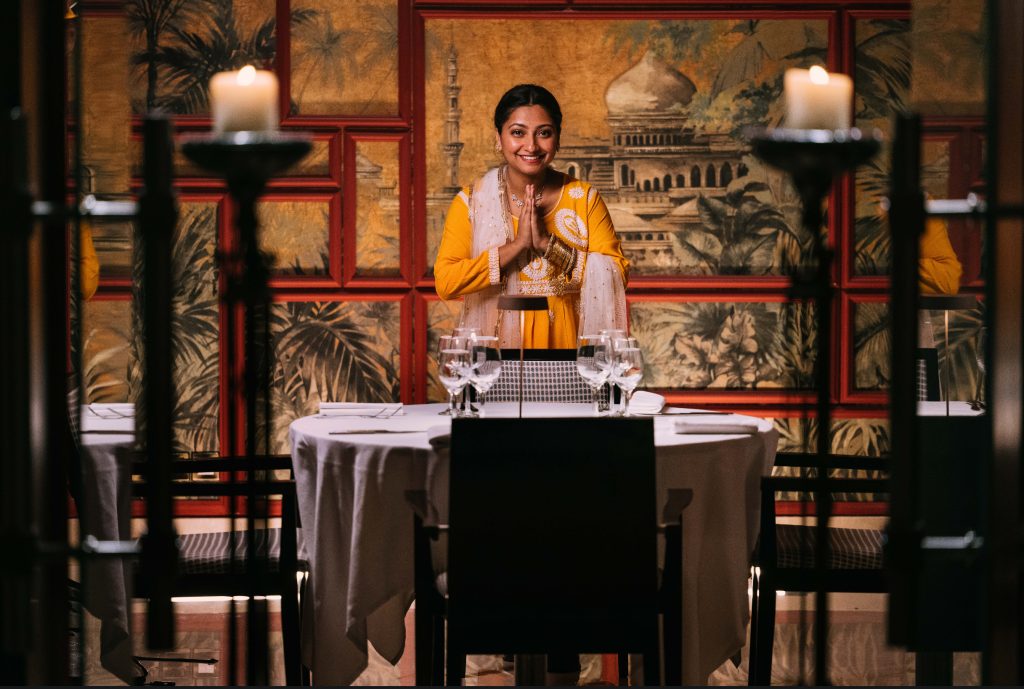
What was Ranjeet’s advice for chefs who want to specialise in Indian cuisine? “My advice is to focus on mastering the basics. Indian cuisine requires patience and an understanding of blending spices to bring out the best flavours. Take the time to learn each regional style – this will give you a deeper understanding of how to adapt and innovate. Respect the cultural significance of the food you prepare, and never stop experimenting. Indian cuisine is vast, and there is always more to discover and create. And most importantly, embrace learning from every experience, whether in the kitchen or from your mentors.”
Certainly, Chef Ranjeet had his mentors. His eyes softened. “My biggest influence has always been my dear mother, whose passion for food taught me that cooking is an act of love and care. Another early mentor is Chef Kalidas, who guided me during my initial days of culinary training and taught me the importance of discipline in the kitchen. I have also been inspired by Chef Manjit Gill, known for his focus on sustainable cooking and traditional Indian techniques.” It is so refreshing to see masters who humbly bow to those who proved to be their guiding lights.
When Ranjeet returned home after work, did he hand the cooking duties to someone else? “At home, I love preparing simple yet flavourful meals. I miss the distinct flavours of my hometown, so I do my best to recreate them wherever I am. Cooking these dishes for my family allows me to stay connected to my roots and share that nostalgia with them.”
“My family is my cornerstone. They have been my greatest support system throughout my journey as a chef. Whether tasting new recipes or offering honest feedback, they keep me grounded and motivated. Cooking for my family has always been a source of joy – it is where I can truly express my creativity without any pressure. My family’s encouragement has also been vital in helping me pursue my passion, and they remind me never to lose sight of where I began, even as I continue to evolve in my career.”
The world is indeed small. Kolhapur, an Indian city situated about 6,230 km from Malta, has been connected by a bridge of love, crafted by Chef Ranjeet, fuelled by his profound passion for his beloved country, India, and its richly vibrant essence.
