
In the competitive world of hospitality, the success of a hotel chain often hinges on its ability to attract and retain top talent. Recognising this, I had the pleasure of reaching out to Simon Casson, the CEO of Corinthia Hotels Ltd (CHL). Earlier this year, I was captivated by his frank and sincere insights during our initial interview, which allowed the readers of Insider Plus to connect more deeply with him as a leader and individual.
Months have passed since then, and my curiosity about his recruitment strategies for hotel management has only grown. With Corinthia expanding its global footprint and opening new hotels, I felt it was the perfect time to delve into some aspects of recruitment, investing and retention of personnel.
Despite his hectic schedule, Simon graciously agreed to answer my questions with his typical Casson approach: “Happy to participate”
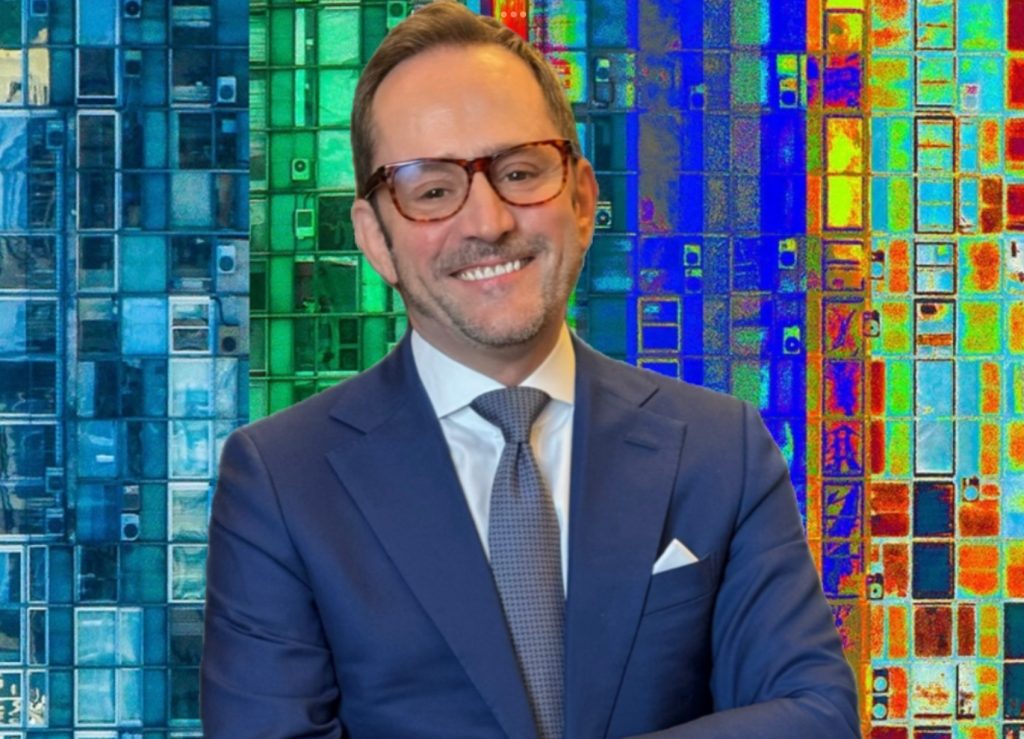
Simon Casson
One aspect which intrigues me is his strategies to attract top talent. In his typical, uncomplicated answer, he explained how it begins with offering competitive pay and benefits, but it extends far beyond that. “We prioritise flexible working arrangements, comprehensive health and well-being support, and an engaging learning and development program. Additionally, we understand the importance of quality in our working environment — from well-maintained locker rooms to thoughtfully designed uniforms and superior cafeteria food. Each of these elements combines to create a compelling employee value proposition that appeals to prospective talent.”
But what metrics are used to determine whether one has the right staff in place to meet one’s operational goals? “Our approach involves setting clear labour standards within the hotels and conducting regular internal labour meetings. By closely monitoring staffing levels against these standards, we ensure that our resources align with our operational goals, thereby allowing us to identify any gaps and take proactive measures.”
It is well-known that in many countries, hotel staffing suffers from a high turnover, which could be quite vexing. How is this addressed and counteracted? Simon was quick on the draw. “By being a great employer. People leave if they feel elsewhere is a better proposition or opportunity for them. So, we focus on creating an environment where team members feel valued and invested in — an environment where they see our offerings as superior to those of our competitors. Though not foolproof, I believe it’s the best antidote.”
Non-executive staff would certainly be offered various training but what about executives? Is there specific specialised training for them? “Yes, we are in the process of enhancing our executive training and development offerings. This will include a blend of internally developed modules, online learning opportunities, and, in some cases, personalised one-to-one executive coaching. Our goal is to cultivate leadership skills that drive both individual and organisational success.”
Aware that balance is not something one finds but has to create, I wondered how Simon balanced short-term financial pressures with long-term investment in human and physical resources. What role does forecasting play in resource planning? He smiled and, nodding his head gently, admitted: “It’s a balance, for sure! Indeed a delicate act! Forecasting plays a pivotal role in ensuring we have the right people at the right time. This foresight enables us to allocate resources wisely while maintaining an eye toward sustainable growth.”
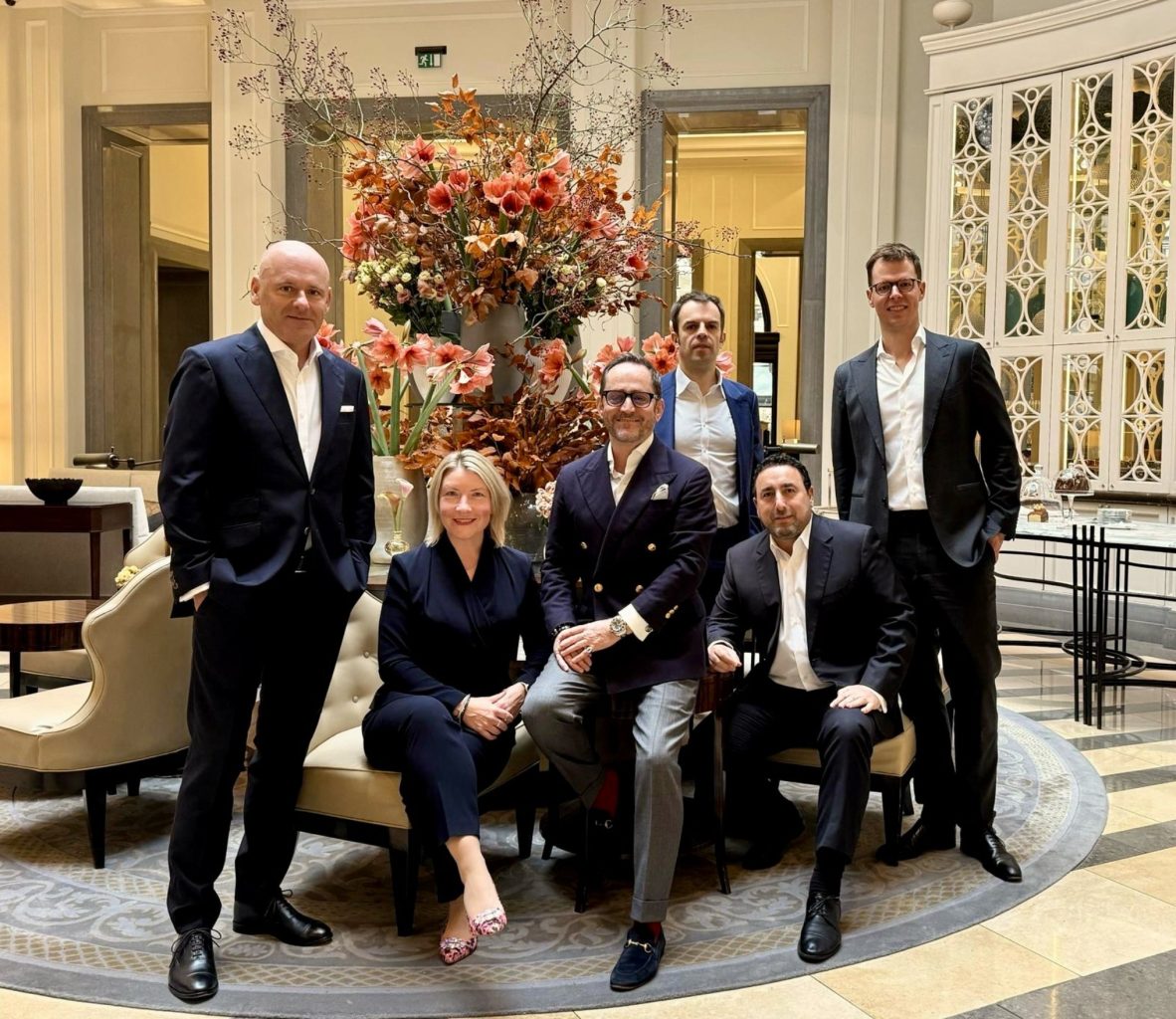
Simon and team: (left to right – front) Christian Renz, Kirsten Lord, Simon Casson, Roderick Micallef; (back row) Alberto Ramos, Guido Fredrich
A look at the short-term future: how did Simon foresee changing trends in the hospitality industry affecting resourcing strategy in the next 5-10 years? What skills or competencies he believes will be most important for hotel management professionals in the future? “We stay attuned to our guests’ and employees’ feedback. These groups know and have a vibrant feeling of what is needed. In the coming years, we believe that human skills will remain critical, but there will also be a significant demand for upskilling in areas like IT, project management, development, and human resources.”
Diversity and inclusion play an important part of this scenario. What role do they play in his recruitment and staffing strategies? How does he ensure his workforce reflects the diverse clientele? “There is no doubt that diversity and inclusion are integral to our recruitment strategies. The recent appointment of Kirsten Lord as Chief People & Culture Officer sends a very positive signal on gender diversity, but ultimately, our chief goal is to attract and appoint the most qualified candidates and best fit persons who align with our company values and culture.”
Numbers become a force but need to be well managed to cohere and collaborate. How did he promote collaboration among teams within the hotel management company? What initiatives were in place to build a strong company culture around teamwork? “We emphasise robust communication channels and team-building initiatives. By fostering a culture that values teamwork and collaboration, we ensure that all employees feel included and empowered to contribute, ultimately leading to enhanced performance and employee satisfaction. The ‘In conversation with ..’ videos I have been doing are a good example of this. This has been a powerful and positive force in our recent openings in New York and Brussels.”
One nagging query was how one determines when it is more effective to outsource services rather than manage them in-house? “The decision varies significantly depending on the local market conditions, particularly concerning the availability of labour. While having a full-time team is ideal — as it fosters consistent skill development, quality of service, and employee loyalty — there are specific scenarios where outsourcing becomes necessary. For instance, in high-demand areas like banquet service or special events, it may be more practical to hire temporary staff based on immediate needs.”
I found Simon a very bright person who, however, does not allow his mind to float but keeps it anchored to the ground and imbues it with a simple, basic and positive philosophy. I tried his reaction to the question how he addressed and dealt with diverse cultures and religions working under one roof? His answer was as simple as it was incisive: “By being tolerant, welcoming and kind to all.” Elementary Dr Watson!
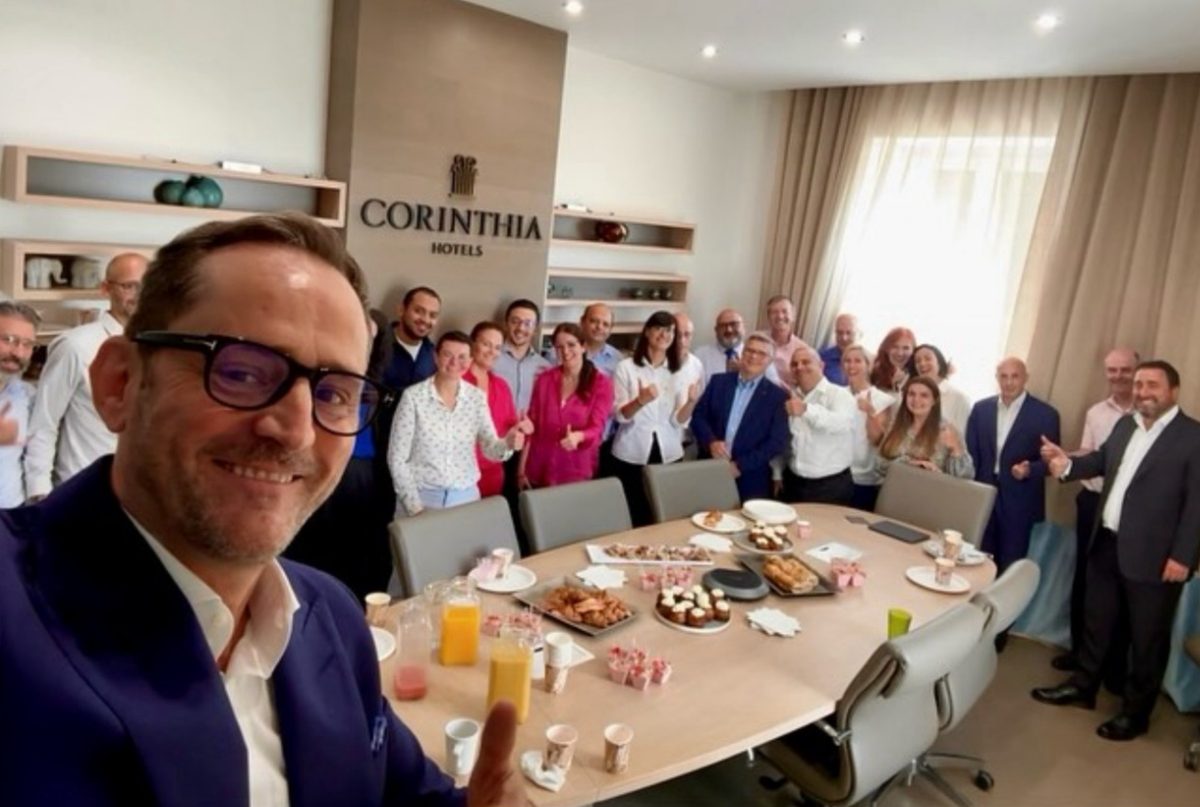
Thumbs up!
The future is always challenging. How did Simon stay ahead of industry trends to ensure his team possesses the necessary skills for future demands? “There is no crystal ball. Staying ahead of industry trends involves actively and genuinely listening to our employees to understand their perspectives on what works well and what could be improved. By gathering feedback directly from our team, we gain invaluable insights into their needs and aspirations. We then implement changes based on this feedback where appropriate. A notable example of this proactive approach is our current trial of a flexible working week in London, which has been introduced in response to employee input on work-life balance.”
Completely aware of Simon’s tight schedule I had to regretfully end our chat even though his expertise and clear exposition of facts, arguments and foresight could have filled a treasure chest with many more questions and answers.